Inside Acuitas Therapeutics: The Vancouver Life Science Lab Powering Medical Breakthroughs
When COVID-19 brought the world to a standstill, a group of scientists kept their labs open and running 24/7

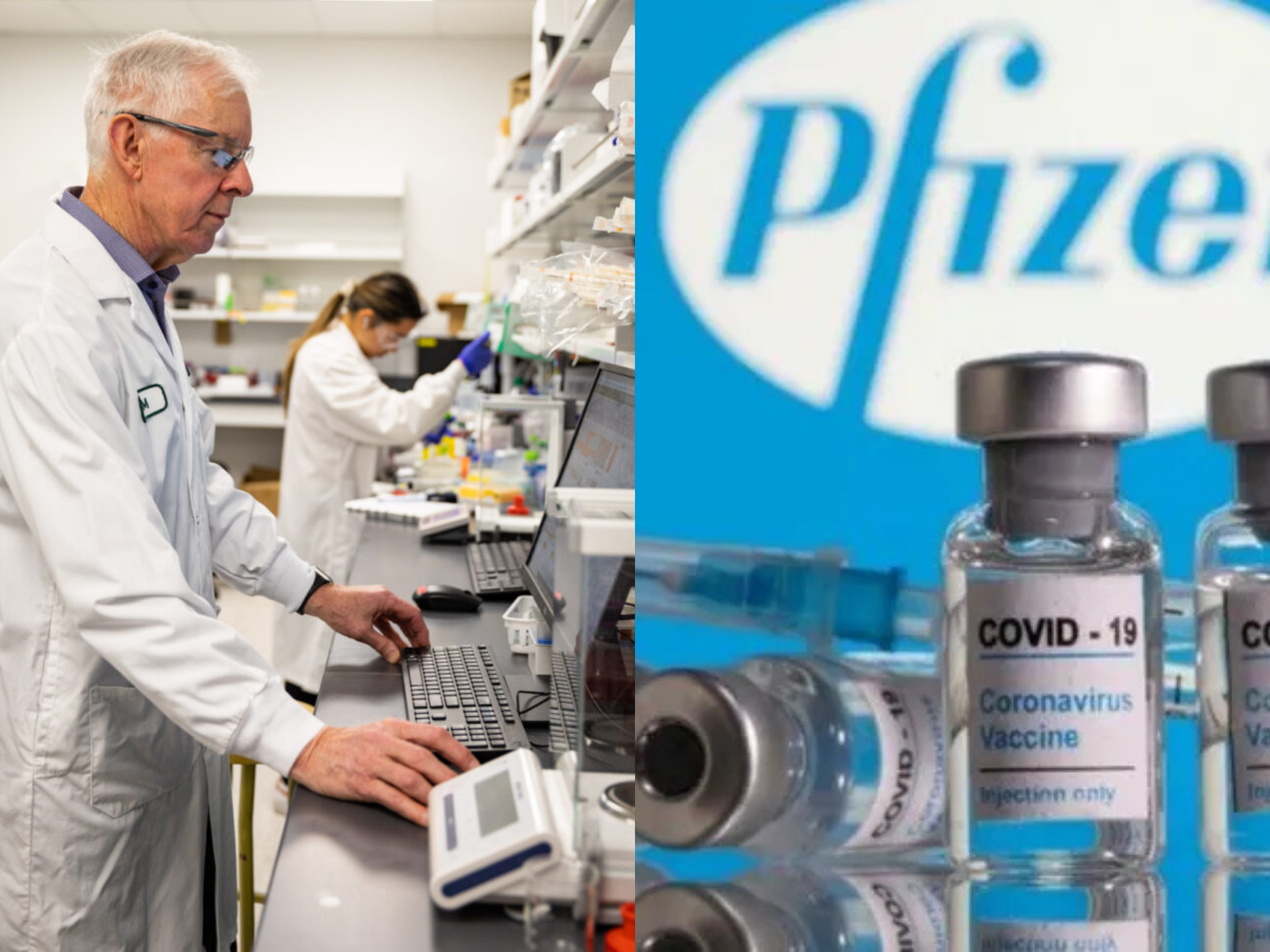
In March 2020, COVID-19 brought the world to a standstill. As governments tried to get a handle on the pandemic and many workplaces closed their offices to work from the safety of their homes, a group of scientists worked diligently, keeping their labs open and running 24/7 to develop the Pfizer BioNTech COVID-19 vaccine.
Let us introduce you to Vancouver-based life science company Acuitas Therapeutics - whose work continues to save countless of lives at home and abroad.
Working with partners in Germany and Messenger RNA (mRNA) technology, Acuitas helped enable the Pfizer BioNTech COVID-19 vaccine. While an effective therapeutic, mRNA cannot function when injected into the body on its own. It needs protection so it can travel through the body and enter targeted cells. This is where Acuitas came into play.
As the global leader in lipid nanoparticle (LNP) delivery systems, Acuitas works with partners to create microscopic lipid nanoparticles that carry mRNA safely into cells, allowing the medicine to trigger immune response and protect against infection.
Contributing to the developing of the Pfizer BioNTech vaccine came with significant challenges. Dr. Tom Madden, CEO of Acuitas Therapeutics, said the company was working around the clock to support their partners’ work in Germany.
“Everything needed to happen as soon as possible,” he said, adding that employees worked in shifts to minimize contact in the labs.
As commercial flights came to a halt, Acuitas had to use private courier jets to fly material back and forth from their partners in Germany.
“There were many barriers in place that had to be overcome just to allow us to support that effort,” Madden said. “For me, at that point in time, being able to be actively working on something that made a difference was incredibly impactful.”
Madden co-founded Acuitas Therapeutics alongside Drs. Pieter Cullis and Michael Hope in 2009 as a means to pursue nucleic acid therapeutics delivery technology, a cutting-edge science in a new therapeutic field.
Today, Acuitas collaborates with companies around the world who are interested in developing nucleic acid therapeutics and need delivery technology, working in partnerships to advance human health. Acuitas partners with big and small companies, universities, research institutions, and NGOs.
A Look Inside Acuitas Therapeutics
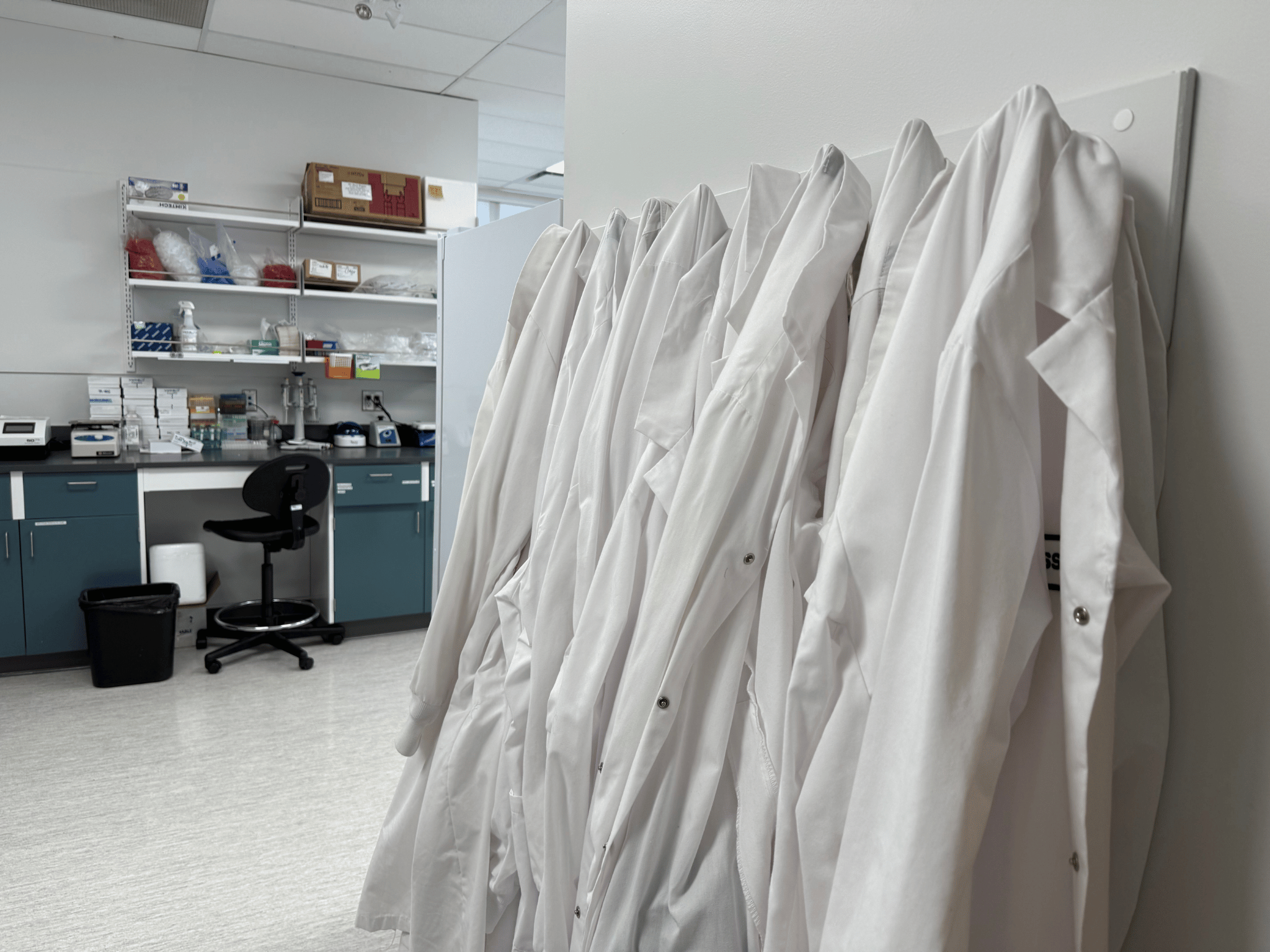
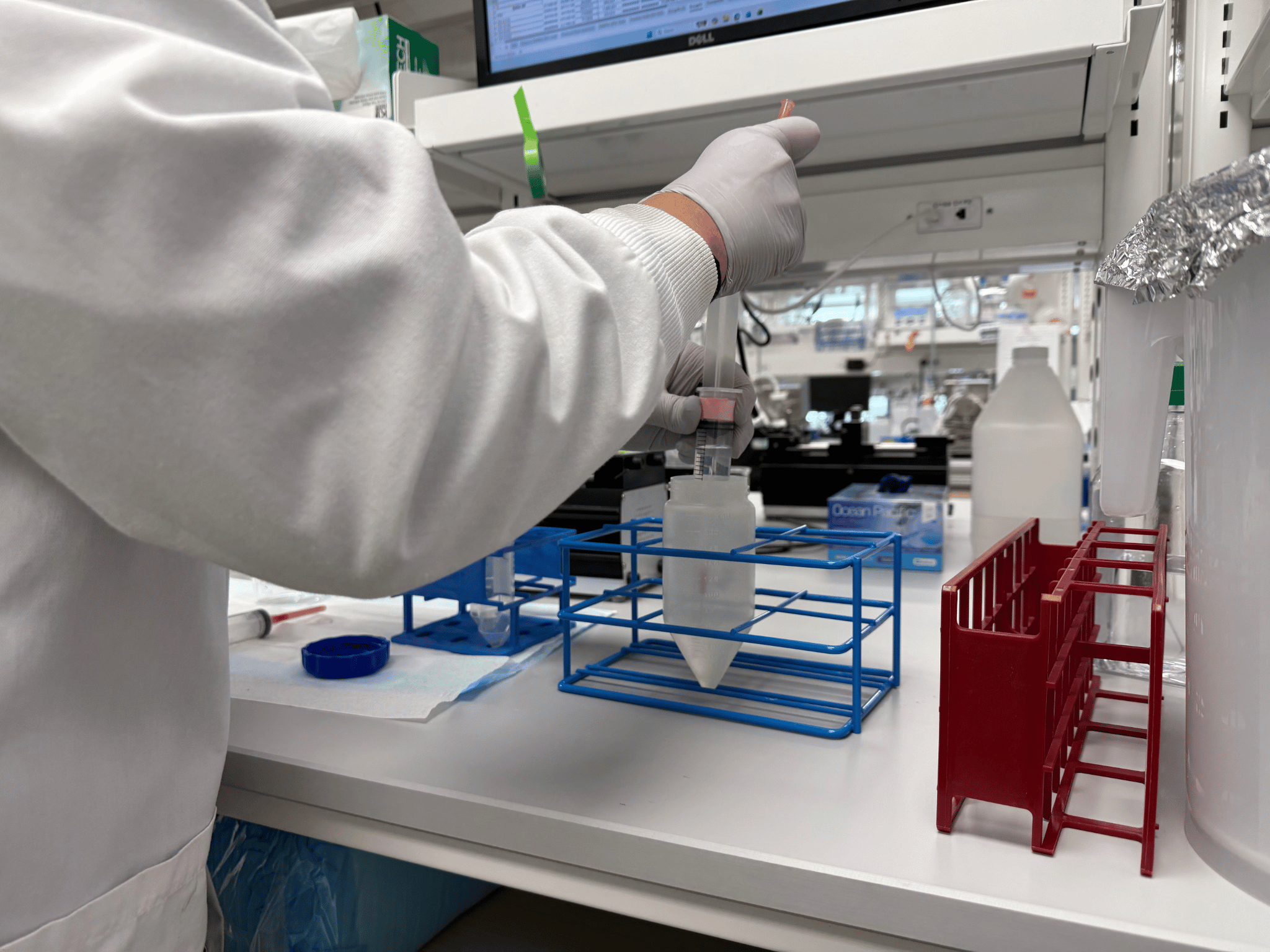
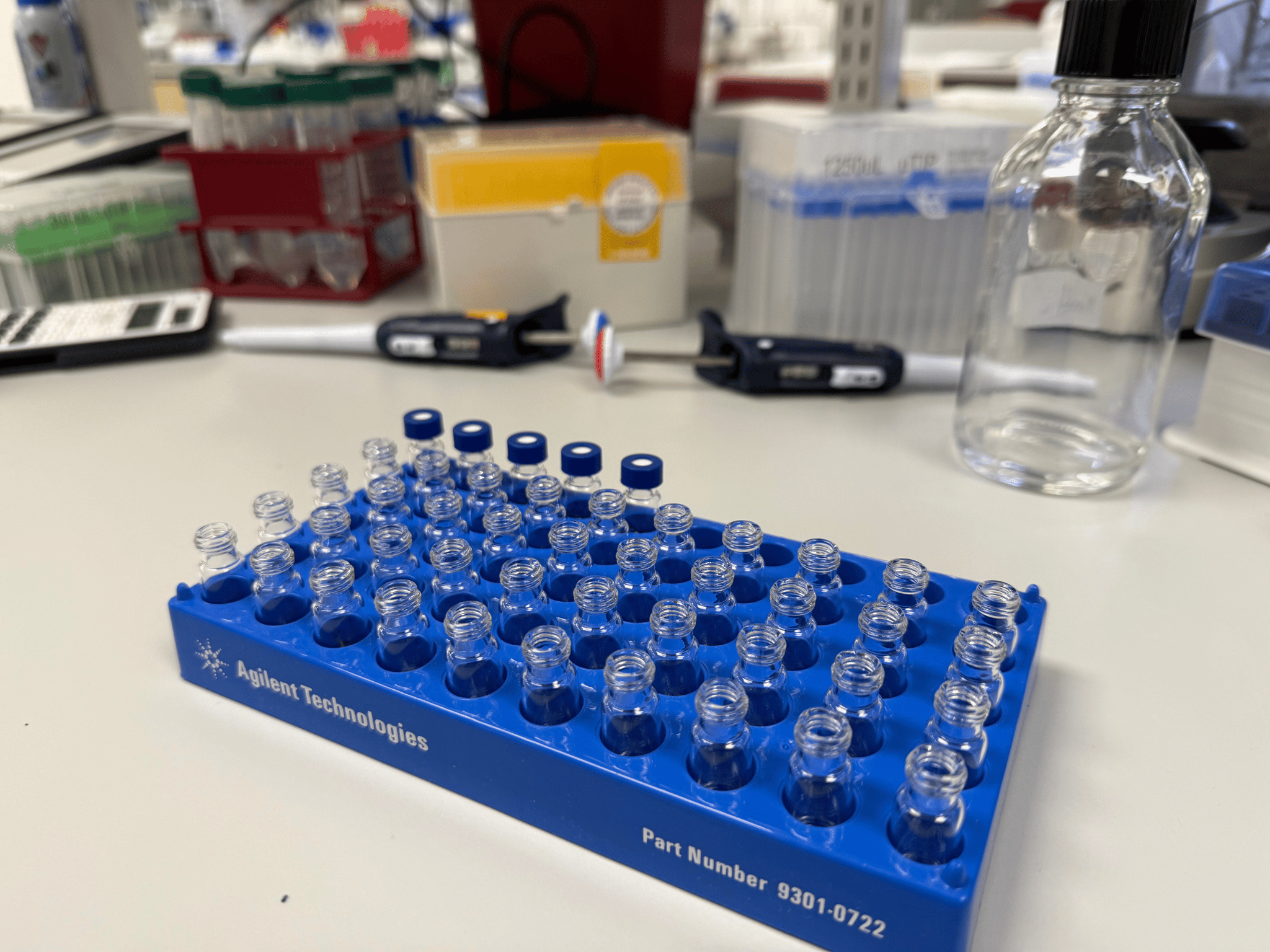
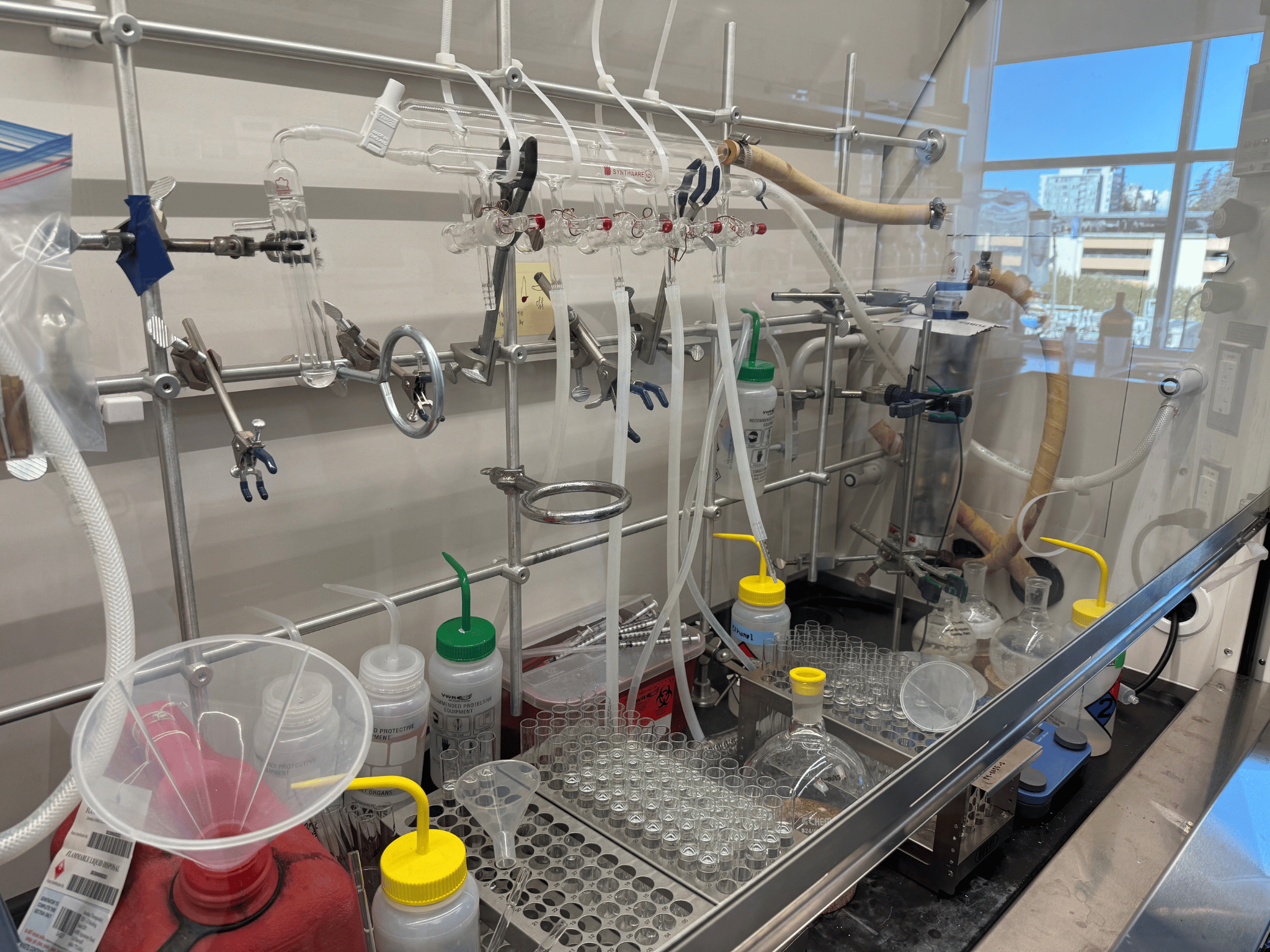
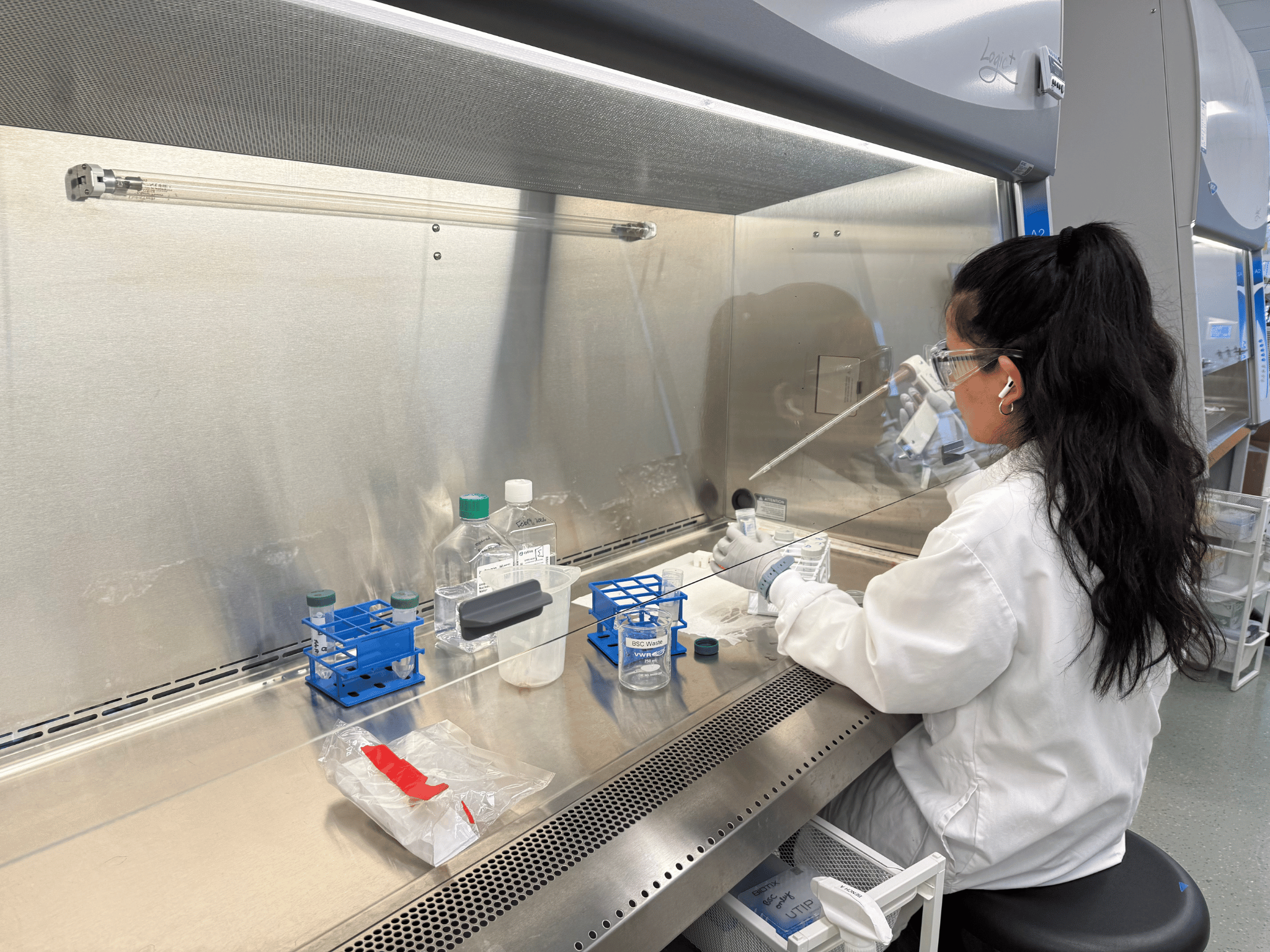
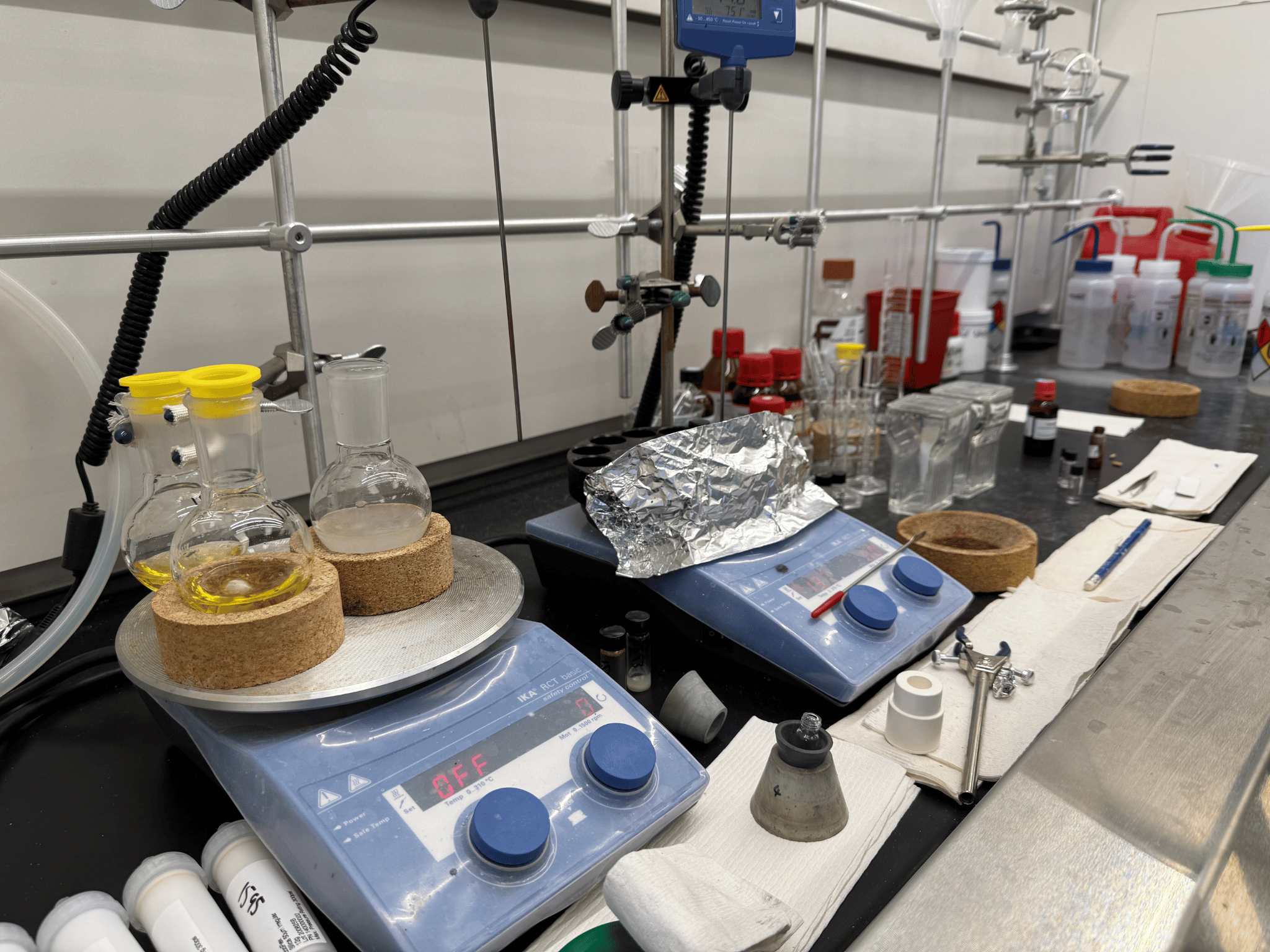

The results of Acuitas’ work can’t be realized without the people behind it, Madden said. Their spirit of collaboration and selflessness has allowed Acuitas to find solutions to otherwise very difficult problems.
Over the past three years, Acuitas has helped its partners initiate 33 clinical trials. Their efforts have led to patient success.
In 2024, a baby named KJ was born with Urea Cycle Disorder, a rare genetic defect in which the body can’t process ammonia, causing organ failure and cognitive disability. Urea Cycle Disorder has no cure.
Acuitas got together with scientists to figure out how to address KJ’s defective genomic sequence. After only six months of research and development, Acuitas helped enable the first personalized CRISPR-based therapy, a gene editing technology that allows scientists to precisely modify DNA.
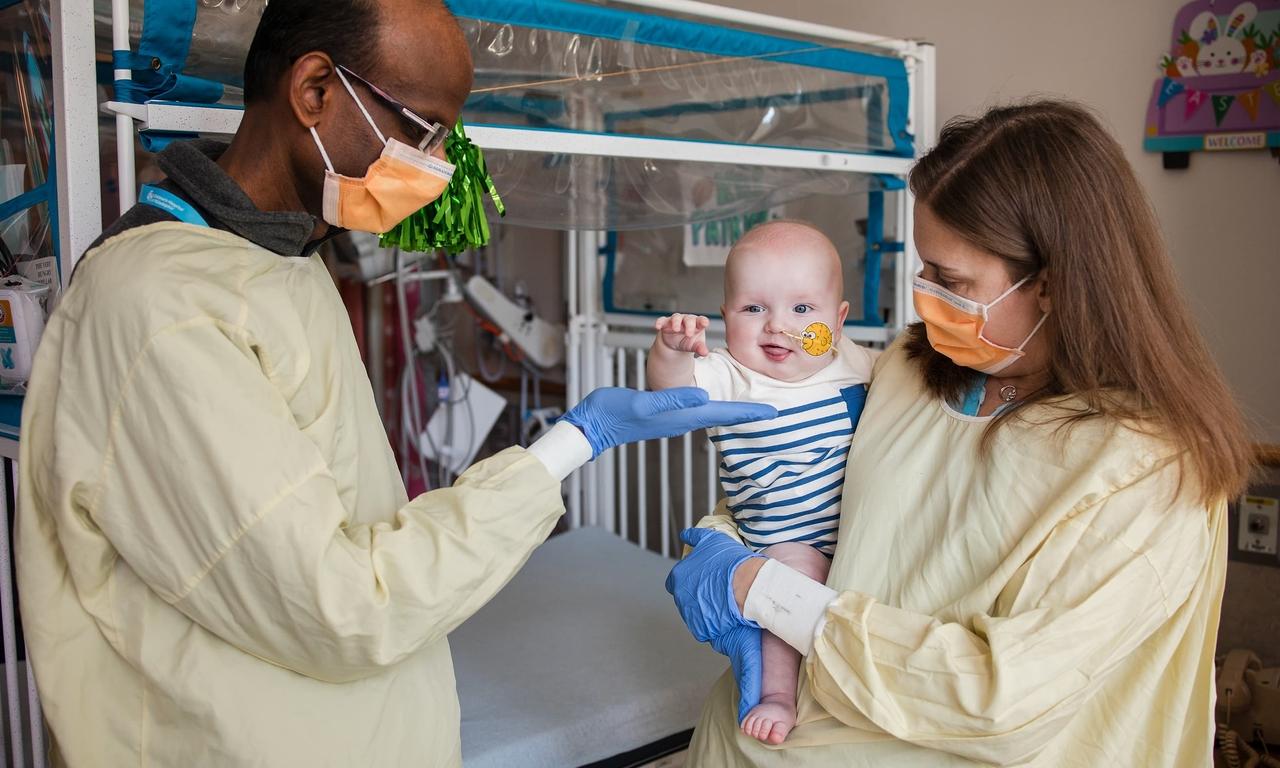 Photo sourced from Children’s Hospital of Philadelphia.
“The amazing thing about this story is that KJ was actually able to leave the hospital after basically living the first nine months of his life there,” said Miranda Lam, K.C., President and Chief Legal Officer of Acuitas. “He's now meeting all of his regular developmental milestones.”
Acuitas is proud of what the personalized CRISPR therapy has done for KJ and his family, Lam added, but they are also proud of what this advancement means for the field.
There are not always immediate cures or therapies for diseases like Urea Cycle Disorder, but breakthroughs in personalized CRISPR therapies show it is possible to develop treatments far more quickly.
“That's the kind of stuff that makes us excited and is also why we're proud,” Lam said. “It’s not just the happy ending, which we all want, but it's the fact that you can get there quicker, faster, cheaper, more efficiently, and that means that you can do it more often and for more people.”
Vancouver is home to a strong life science hub, and despite the exciting advancements taking place and potential ahead, Lam said the sector is facing uncertainty due to the geopolitical turmoil that’s transpired over the past year. The United States’ administration, historically a significant funder of health research, has reallocated resources and changed priorities. Vaccine policy also isn’t uniformly supported.
“That has impacted us and it impacts our partners who are pursuing those kinds of initiatives,” Lam said. “That's disappointing because I think it's objectively been demonstrated that vaccines, whether they are mRNA based or not, make a difference and save lives.” 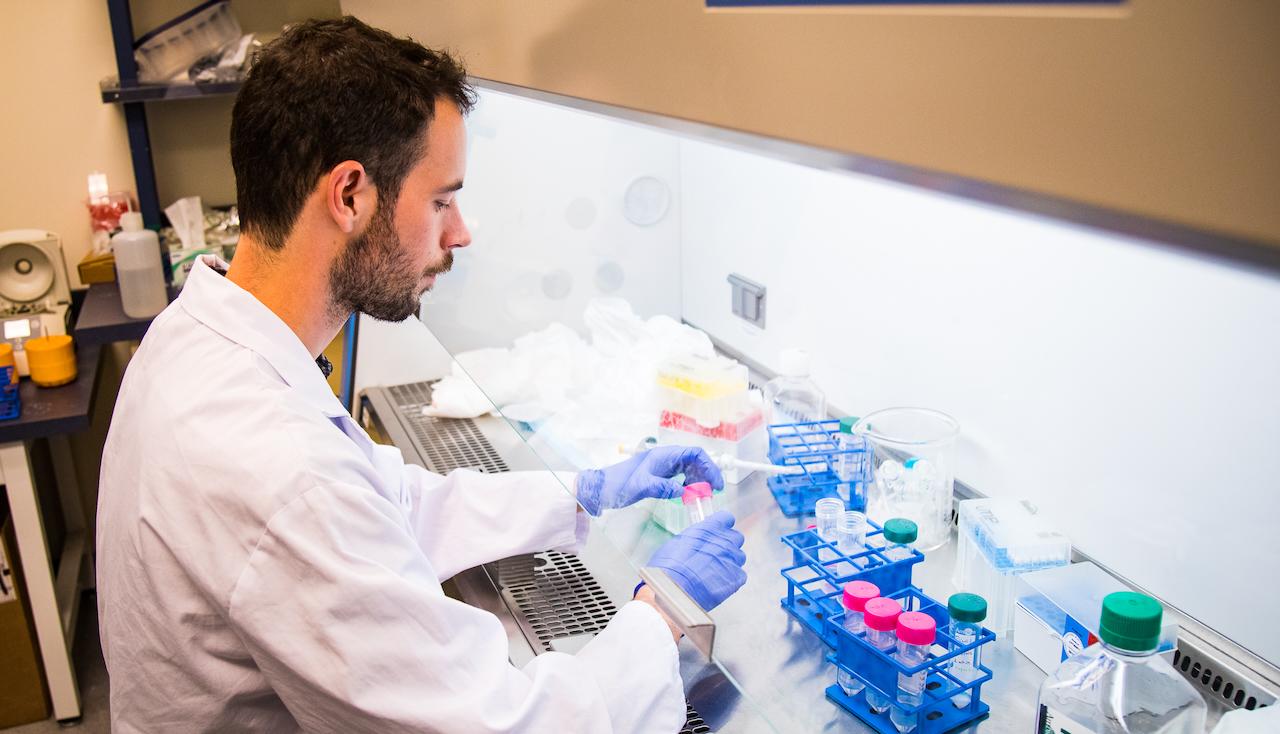
B.C.’s economic instability also makes it hard for Vancouver's life science hub to thrive. When governments face fiscal pressure, funding for university research is often reduced, which dampens innovation, Lam added. Plateauing innovation paired with an affordability crisis threatens to drive talent and resources to other jurisdictions.
One way to further innovation and strengthen British Columbia’s position as a life sciences hub is to enable more clinical trials. British Columbia is home to globally recognized research institutions like the University of British Columbia and BC Cancer. But discoveries made in labs don’t change lives until they are tested on people. This is where clinical trials come in, Lam said. Clinical trials enable innovation to reach patients.
Beyond the hospital, clinical trials are also fueling one of B.C.’s fastest-growing sectors.
Regions with strong clinical trial infrastructure attract more studies—and with them, funding, jobs, and expertise.
In B.C., that translates into high-skilled employment in research and innovation, growth of local biotech companies, and increased investment, locally and internationally. Greater coordination and infrastructure to support such trials are needed.
There are also some regulatory challenges at the federal level that deter companies from coming to Canada. “We have partners that have chosen not to seek approval of their product in Canada because it is perceived as being too difficult. That’s worrisome as a citizen because it means some people are not getting access to therapies that we could otherwise get access to.”
Making an active effort to support the local life science community is of utmost importance to Acuitas. They invest a portion of their revenue into research to support innovation in the region.
“You have to build the system or at least keep it turning or it will stall. So that's part of why we invest heavily in life science sector,” Lam said.
Acuitas hopes that their work and achievements help boost the profile of Vancouver’s life science ecosystem to keep it strong.
“It is important for us to let people know that we exist and that we're doing great science,” Madden said. “We're very proud of being able to push the science as far as it can go to always be on the leading edge.”