Inside BlueForce Energy: The Burnaby Startup Rebuilding Vehicles for an Electric Future
Along Burnaby’s Big Bend industrial corridor, one new tech company is performing surgery on vehicles.

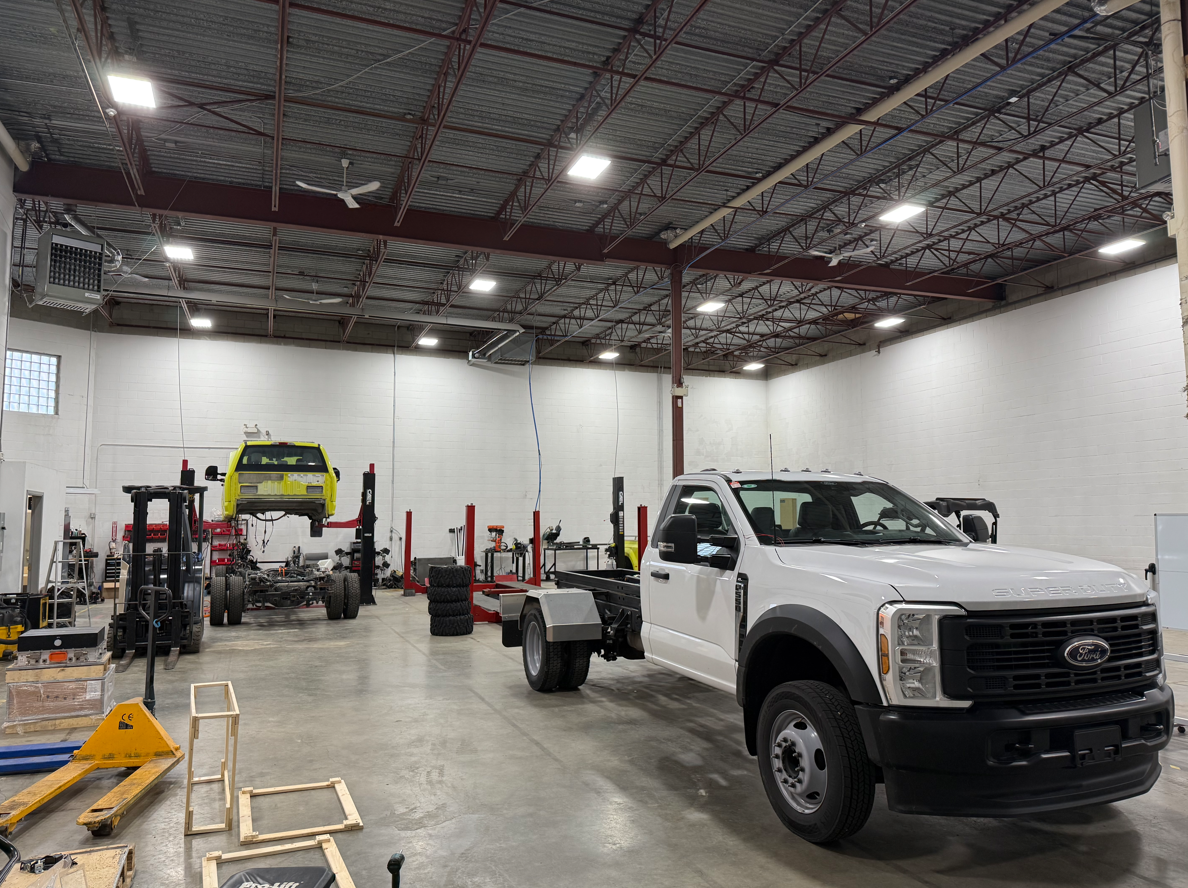
Along Burnaby’s Big Bend industrial corridor, one new tech company is performing surgery on vehicles. After a vehicle's chassis is examined,its fuel tank and tail pipes are removed in preparation for an electrified engine transplant.
From municipal to emergency service vehicles, BlueForce Energy is changing the EV game by electrifying fleets of medium-duty commercial vehicles. They take existing combustion engines and repower them to become 100% electric, helping to reduce greenhouse gas (GHG) emissions and allowing vehicles to adopt a more sustainable life cycle.
“That environmental sustainability behind it, which a lot of organizations like, is a lot more cost effective as a solution,” said Vandad Saniee, Business Development Lead at BlueForce. “You don't have to overhaul the entirety of your fleet basedto haveEVs;you're doing a very slow transition. So,there's a lot of benefits in it for them to take their existing assets and electrify them.”
A Look Inside BlueForce Energy
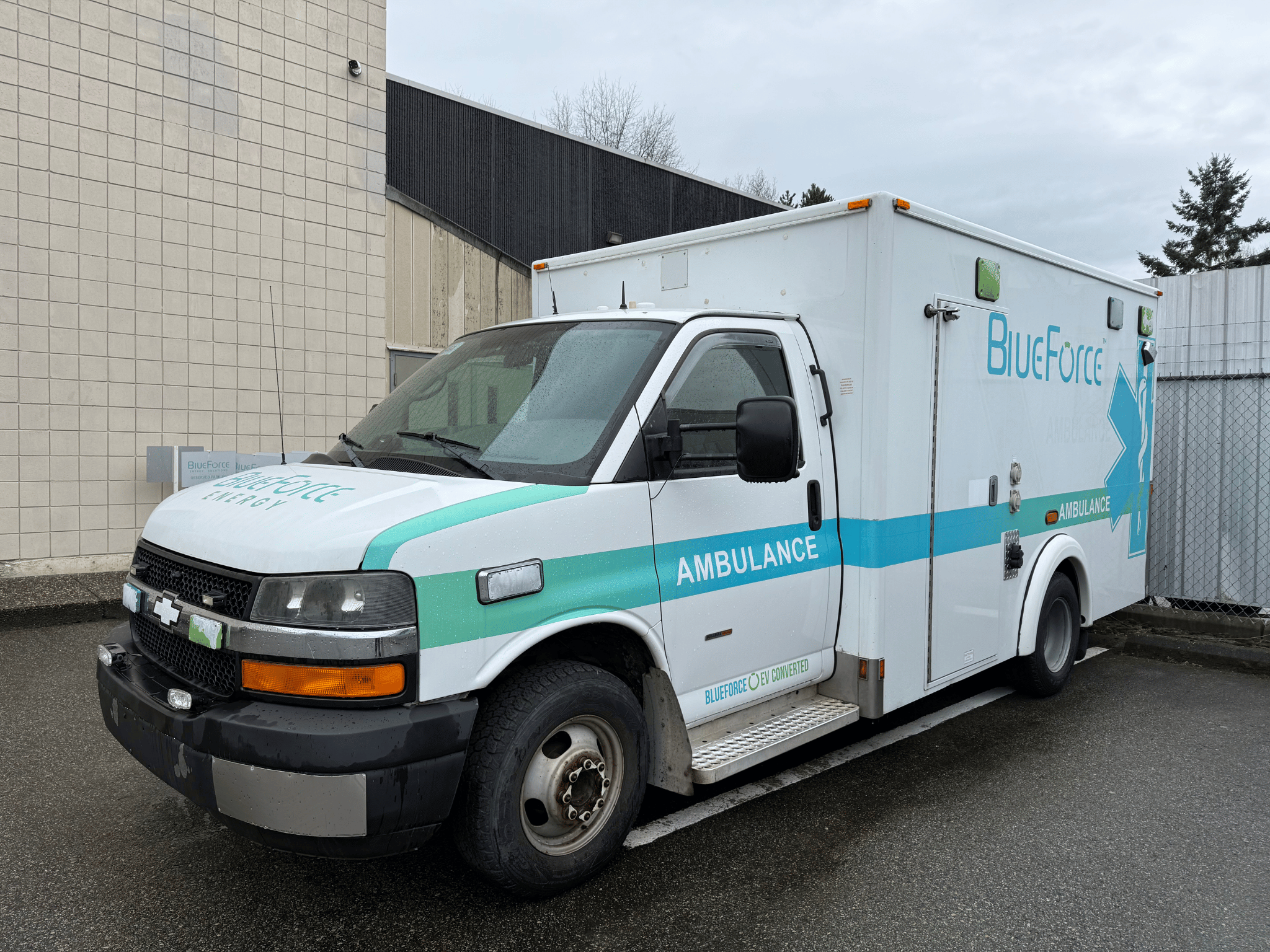
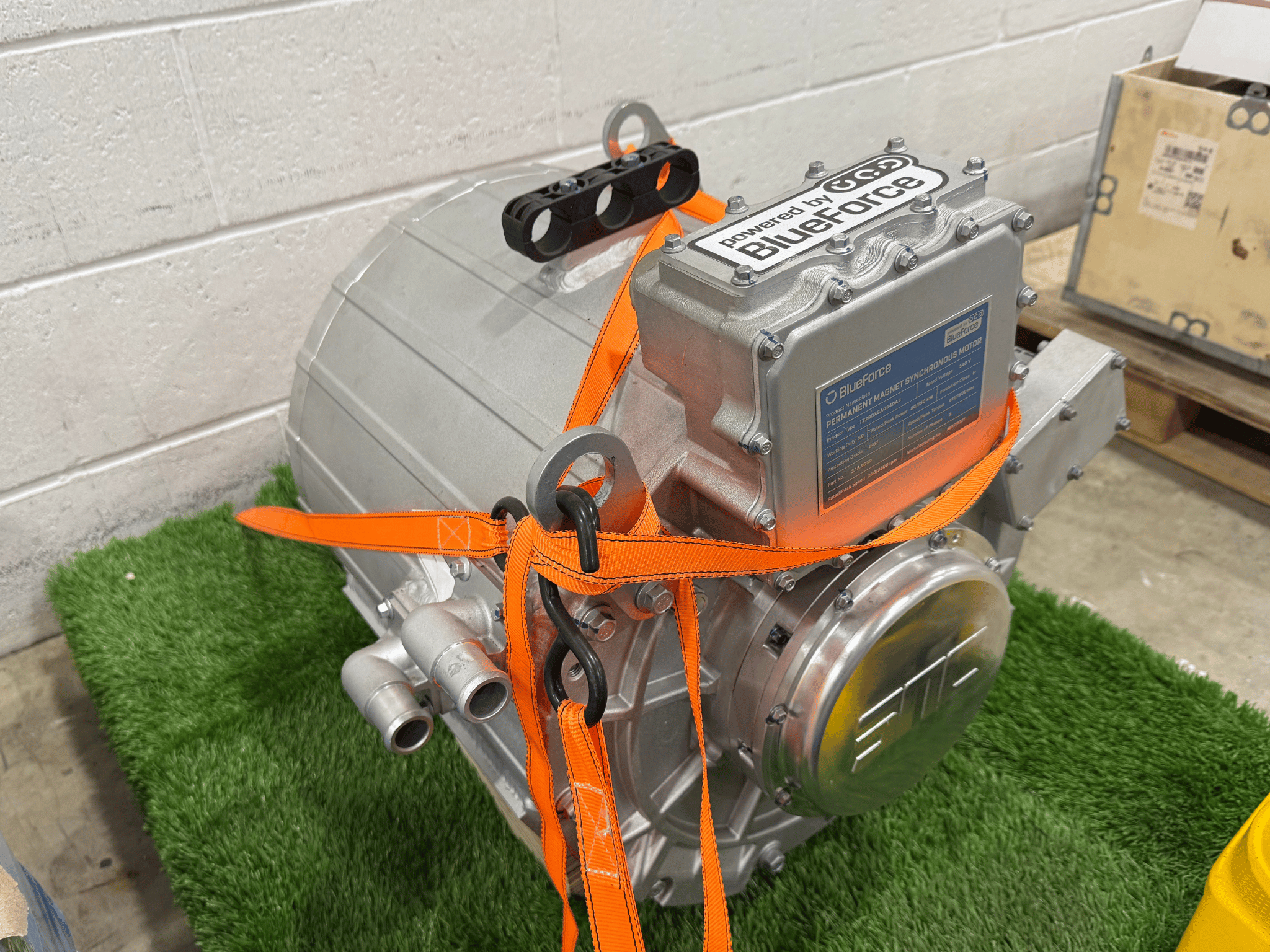
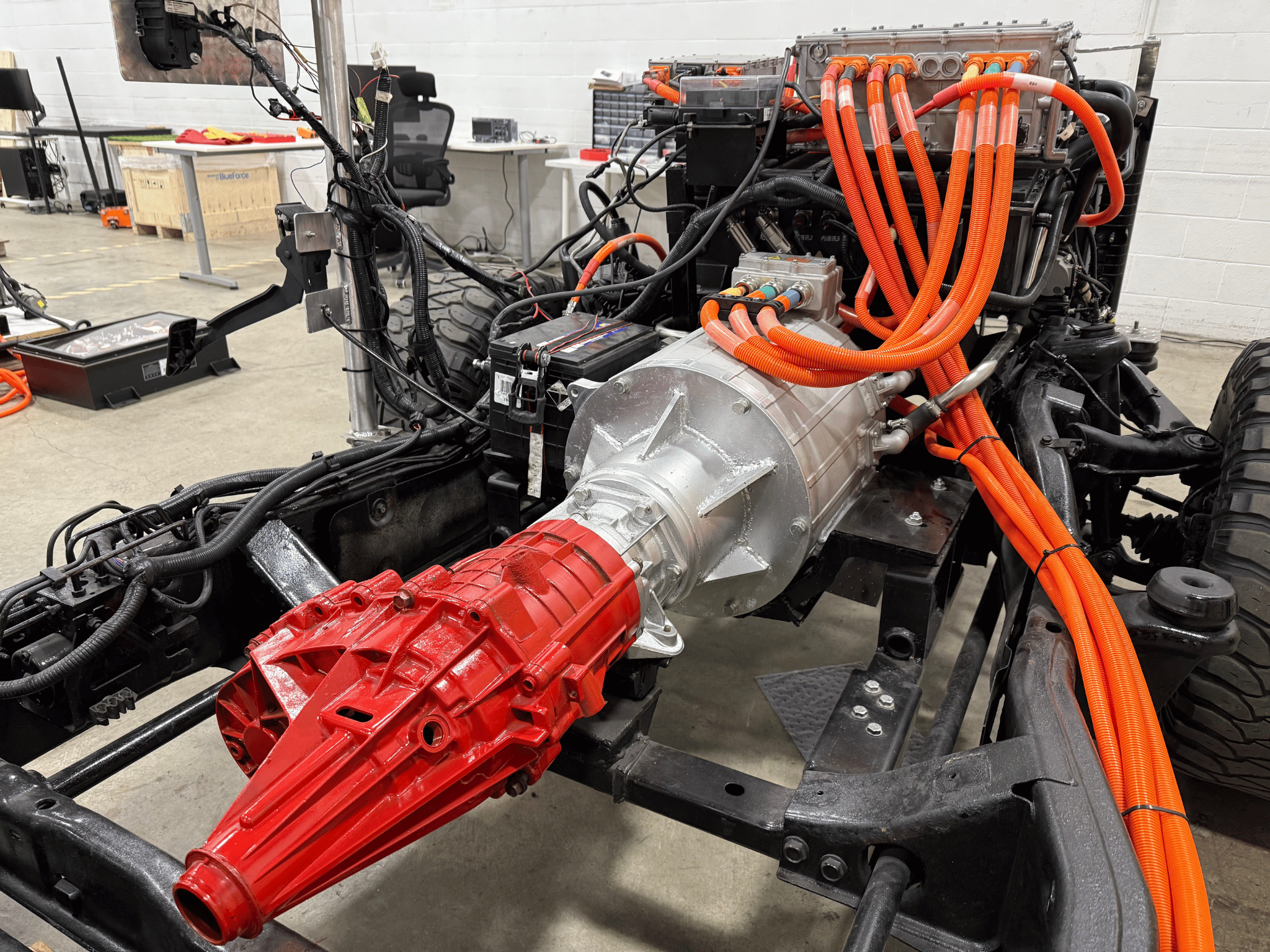
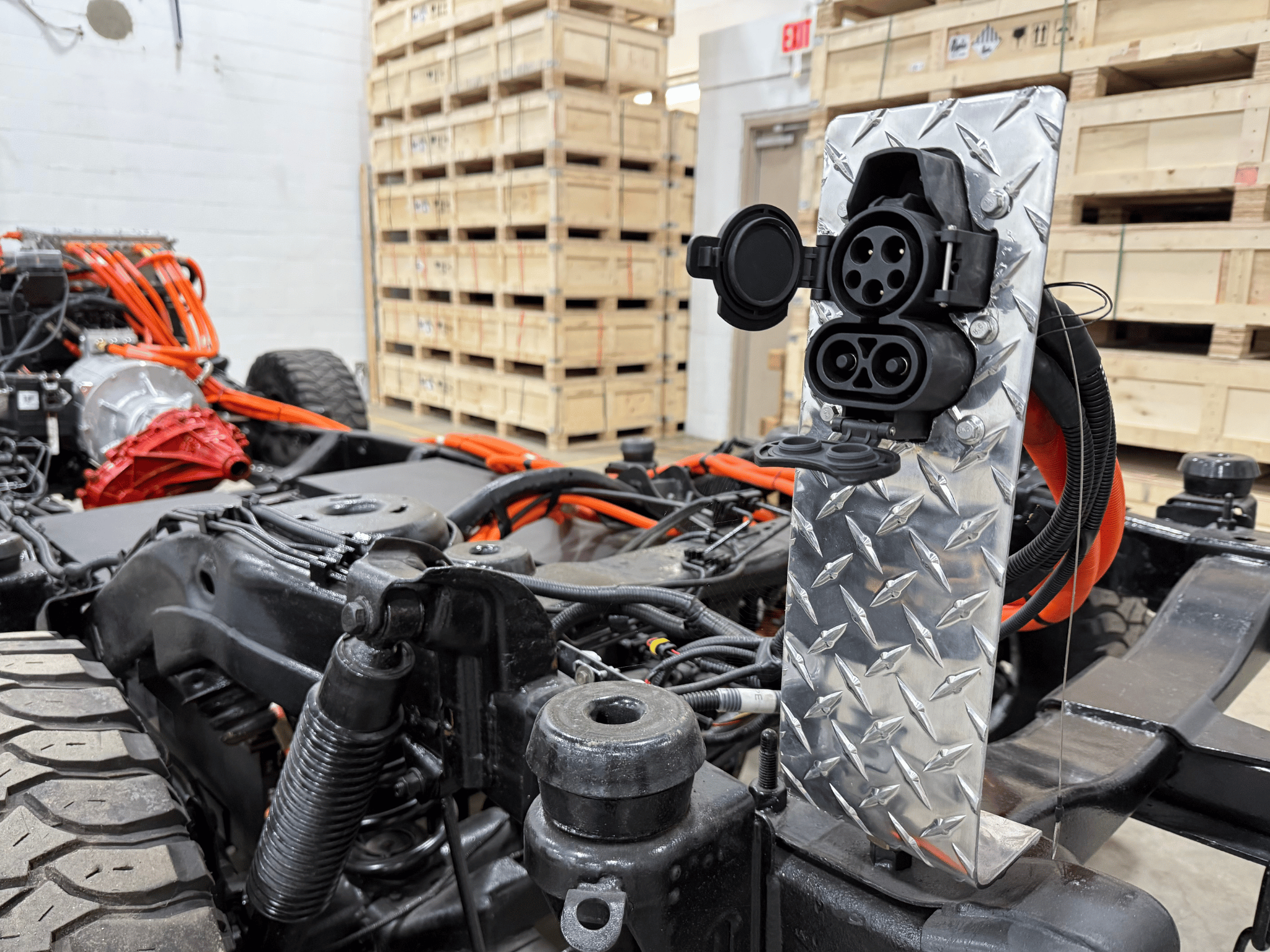
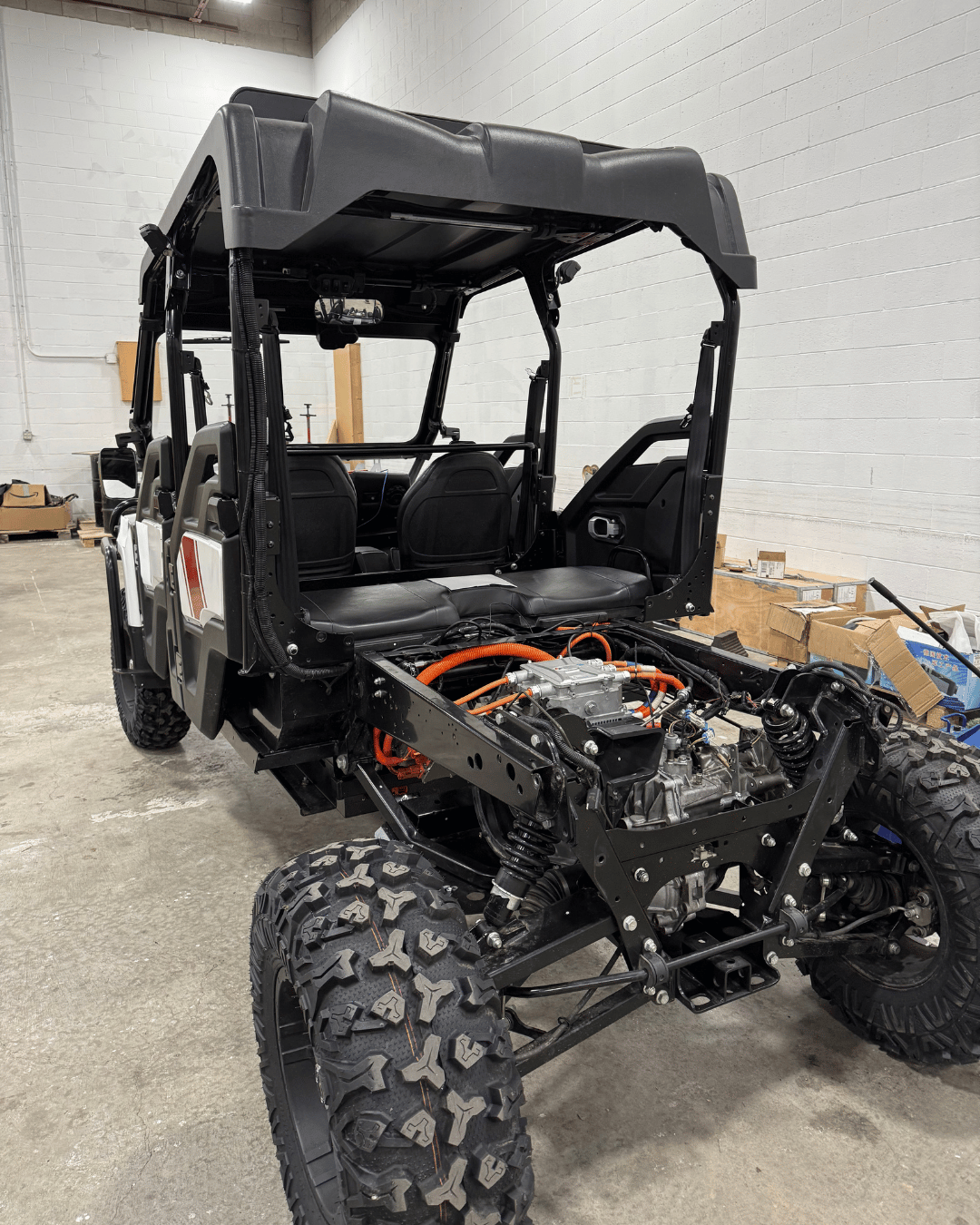
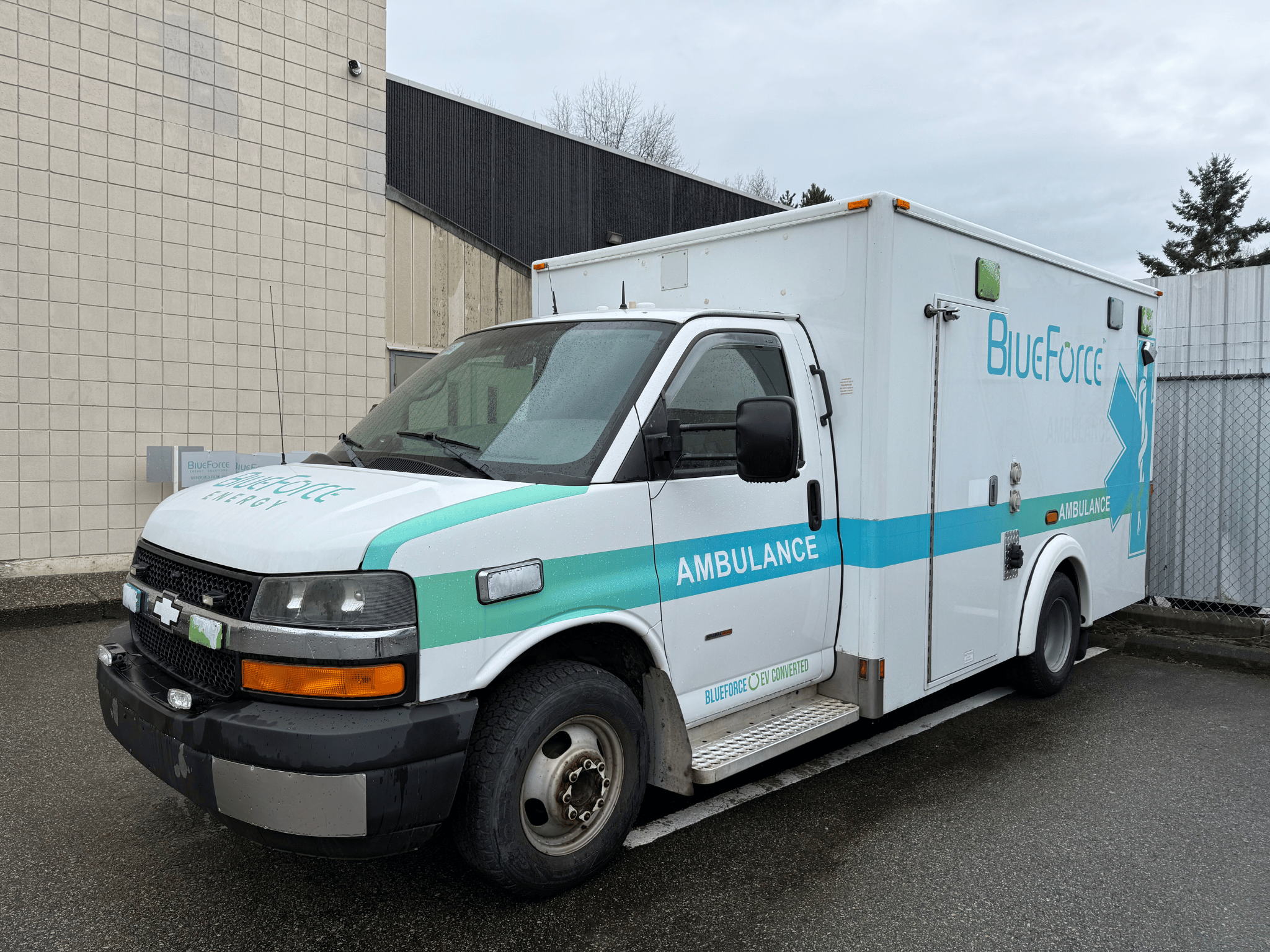
BlueForce was founded in 2020 to fill a gap in the EV market. Of the nearly 30 million EVs on the road in Canada, only 0.4% are medium to heavy-duty vehicles. Canada’s transportation sector accounts for 25% of the country’s overall GHG emissions. As corporate social responsibility for electric vehicles continues to grow, decarbonizing fleet operations is top of mind for many organizations. However, organizations with medium-duty fleets face limited options for finding an EV solution.
“Either those EVs came at a higher cost, or the exact vehicles companies needed were not available in electric form,” Saniee said.
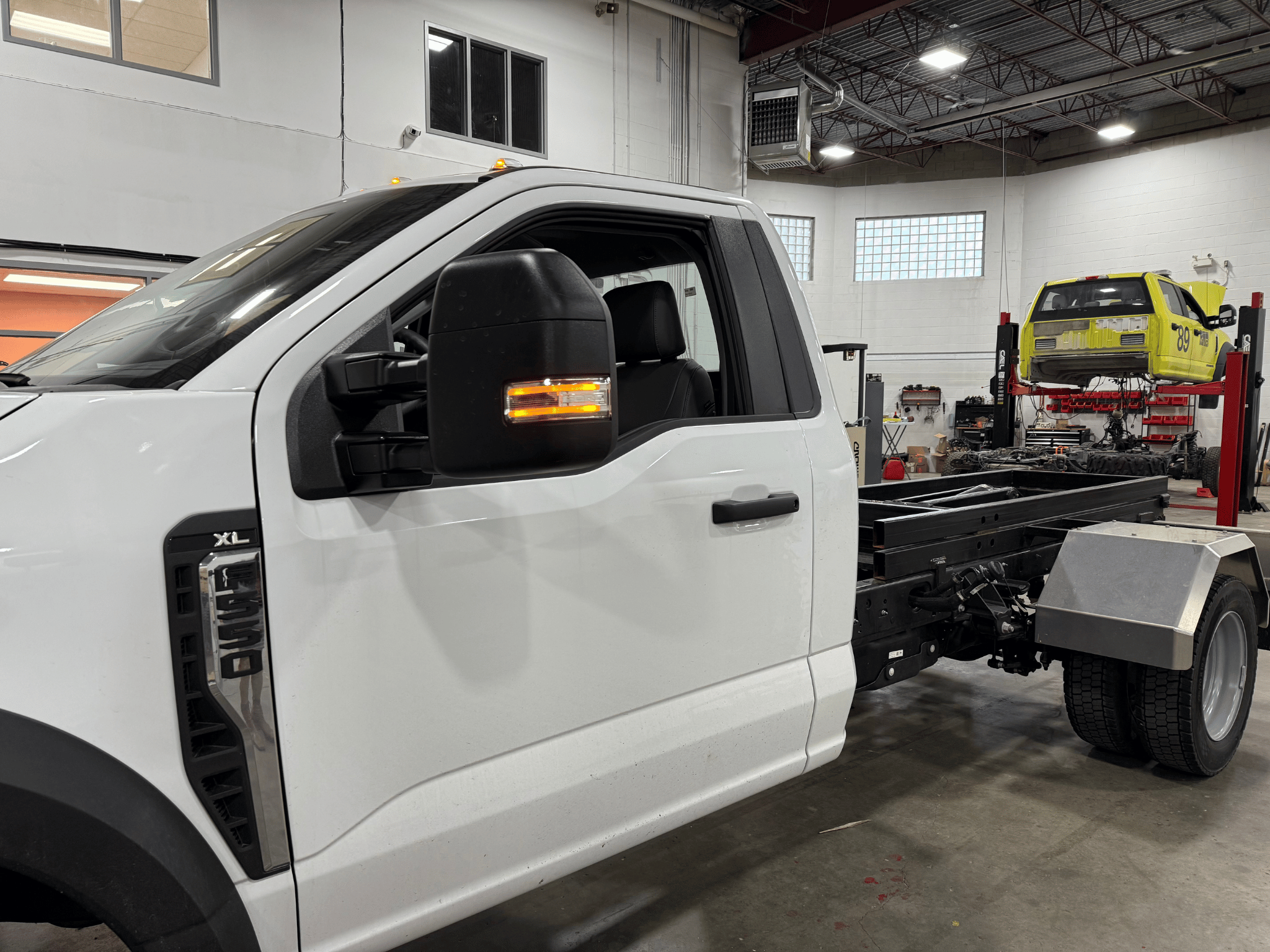
And so,BlueForce stepped up toprovide integrated, cutting-edge solutions, empowering businesses, governments, and communities to adopt clean energy practices and reduce their environmental impact. What sets BlueForce apart is their specialized services. They create chassis specific solutions by working with the client to design vehicle configurations that meet their business needs. 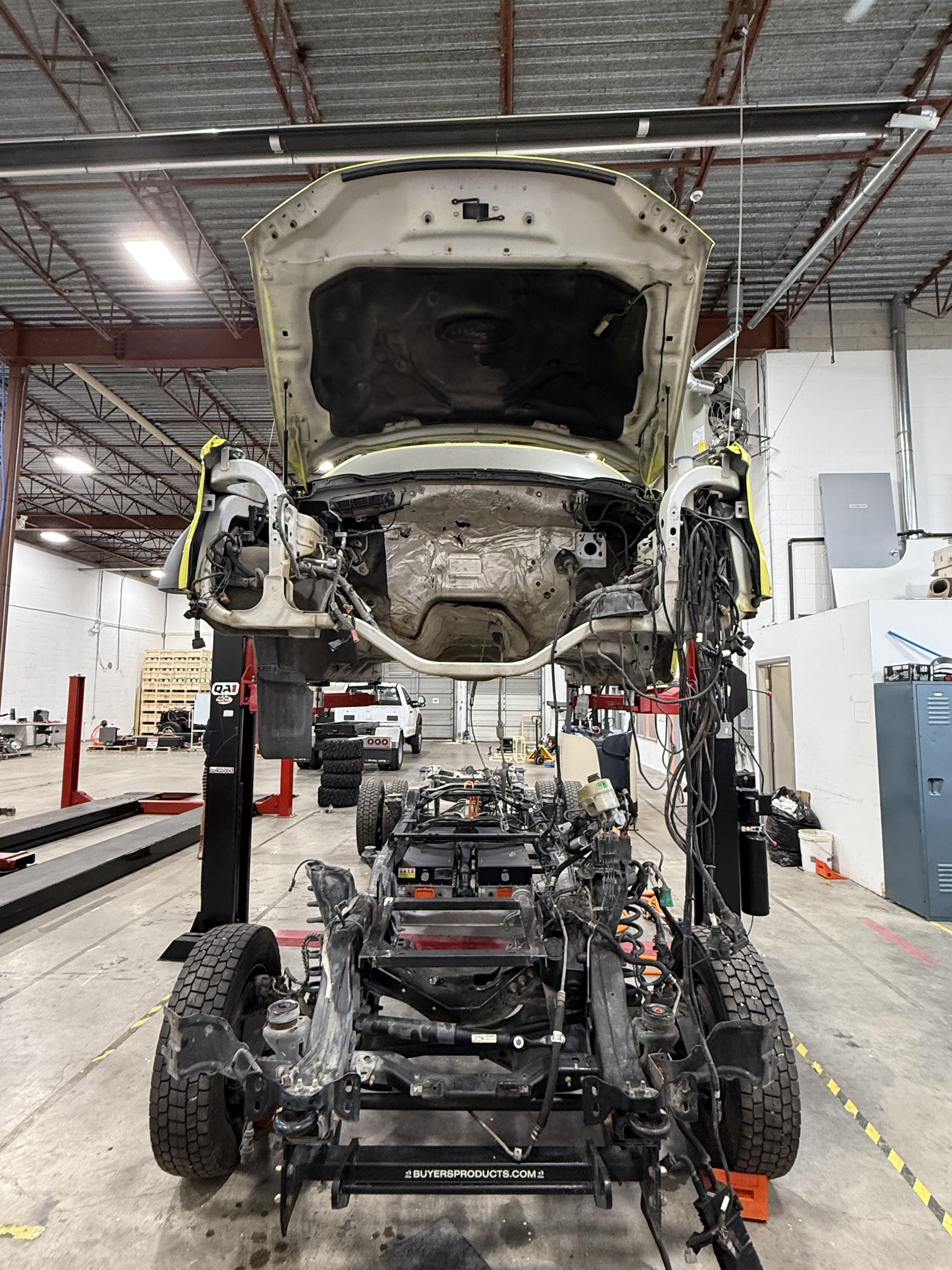 Daily vehicle operations vary from client to client. For example, some clients may need an electrified Ford F-550 for operations on relatively level surfaces. Other clients may also need an electrified Ford F-550, but for operating on mountainous terrain.
While the vehicle is the same, BlueForce will customize battery solutions so the Ford F-550s can perform their respective operations.
“It's a solution that does not revolve around theoretical sustainability," said Saniee.
"Once you electrify the asset, you start to see the environmental impact of that vehicle on a real day-by-day, case-by-case scenario,” he said, adding that this tangibility provides a proper pathway to scale their electrified vehicle solutions.
Each vehicle electrified by BlueForce reduces approximately 10 to 12 tonnes of CO₂ emissions annually. By 2030, BlueForce aims to electrify over 200 vehicles in British Columbia.
While BlueForce’s vehicle electrification has a direct environmental impact, it also has an economic impact, said Lavender Kaur, Corporate Development Lead at BlueForce. Rather than writing their vehicles off and purchasing new ones, clients are able to extend their vehicles’ lives by 10 to 15 years through electrification, which delivers 30 to 40% cost savings. Clients can also see $10,000 to $15,000 in annual operational savings per vehicle from reduced fuel and maintenance costs.
BlueForce also contributes to its local community. They support local governments by electrifying their assets and provide skilled jobs to workers. They are also collaborating with educational institutions to provide micro-credentials, which technicians from any organization can take to level up their EV knowledge and become more familiar with electrification.
Over the past year, Canada’s auto sector has been hit with uncertainty following U.S. tariff threats. Saniee said the key to staying strong through these times was strategic discipline.
“Our focus has been to diversify our supply chains to ensure that we do not hit any bottlenecks,” he added. “Change is part of progress, so you have to be able to adapt, and this is one of those adaptations.”
As a young company, BlueForce has also faced challenges gaining visibility in a market where many organizations already have established vehicle procurement pipelines.
“Being recognized as a solution within these pipelines is a key contributor to both our growth and the growth of any business similar to BlueForce,” Saniee said.
Despite broader economic pressures in British Columbia, Saniee believes both governments and private institutions need to continue supporting emerging technologies. Investing in innovation and testing new solutions will be critical to strengthening the province’s growing clean technology sector.
“Right now, a lot of organizations are very hesitant to invest in new technologies and take that risk due to the financial burdens that they're under,” he shared. “But the best way to keep money flowing is to keep it circulating.”