Inside CanCorr, Altro Labels, and Norlands Box Co: Three Family Startups That are Reshaping B.C.’s Packaging Industry
When Baha Naemi and his family opened a label converting company in 2018, they never imagined what would come next.
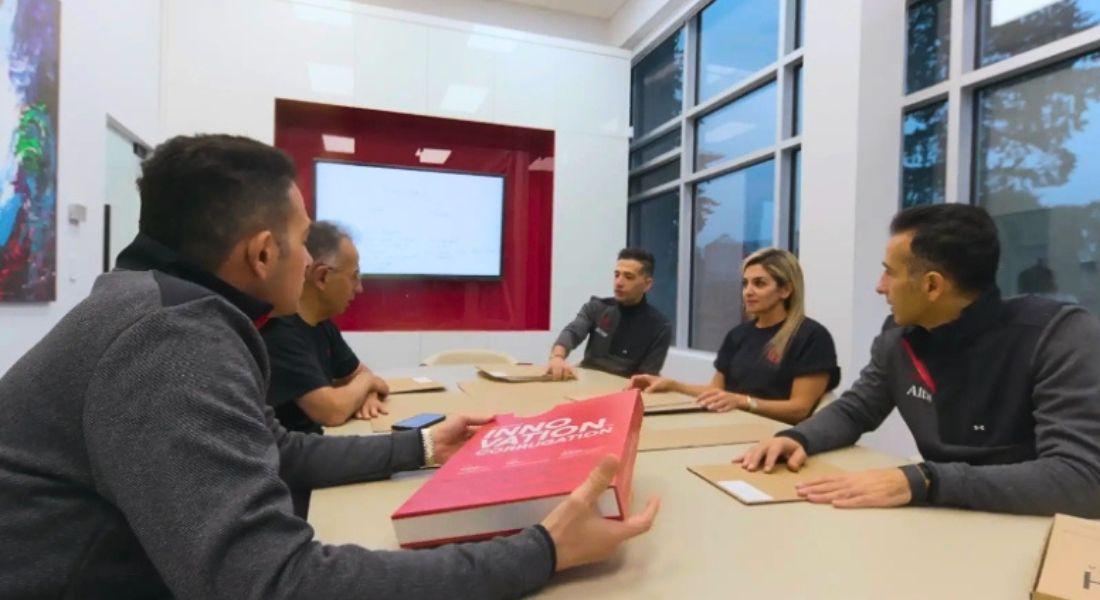
When Baha Naemi and his family opened an 11,000 square foot label converting company in 2018, employing just 10 people, they never imagined what would come next.
Eight years later, they are operating a 300,000 square foot facility that houses three companies and employs more than 150 people. Their growth reflects a combination of strategic planning, calculated risk-taking, and the ability to turn their diverse experience into a competitive advantage.
Naemi and his family immigrated to North Vancouver from Iran in 2000. While some entrepreneurs see British Columbia as a challenging place to do business, his family saw opportunity. With more than five decades of manufacturing experience behind them, starting a business was a natural next step.
“We said, ‘Why don't we start something small in Vancouver and see if we can have a good foothold in the packaging industry and start with a small operation converting labels,’” said Naemi. That idea became Altro Labels, a company focused on producing custom labels for packaged goods.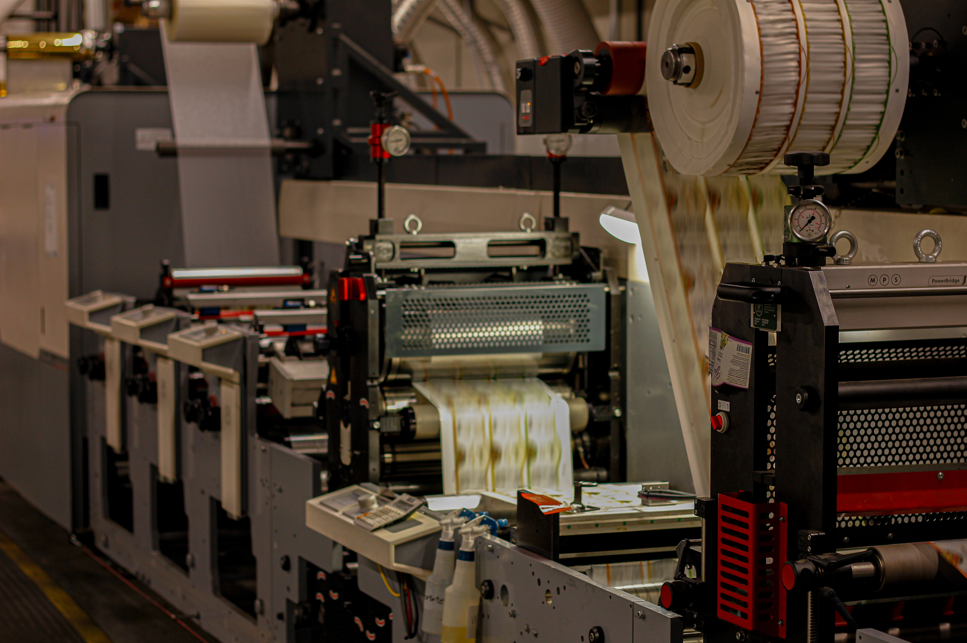
A few years later, just before the COVID-19 pandemic, Naemi and his family wanted to expand their packaging operations and looked to the corrugated sheet industry, in which they saw great opportunity. Corrugated sheets, the material used to make cardboard boxes, are a critical component of the packaging supply chain.
The vast majority of North America’s corrugated sheet industry is run by vertically integrated corporations, which are companies that control everything from raw materials to finished products, limiting access and flexibility for independent buyers.
“You would never find anyone crazy enough to come from outside of the market and install just a corrugator,” Naemi said. “If you look at it logically, you're tied to your clients because they are the only ones that buy corrugated sheets and you're in the mercy of paper suppliers.”
But the family decided to take this risk. In 2021, they purchased land in Surrey to build a 300,000 square foot facility that would house Altro Labels and their new corrugated sheet manufacturing company, CanCorr.
A Look Inside CanCorr, Altro Labels, and Norlands Box Co.
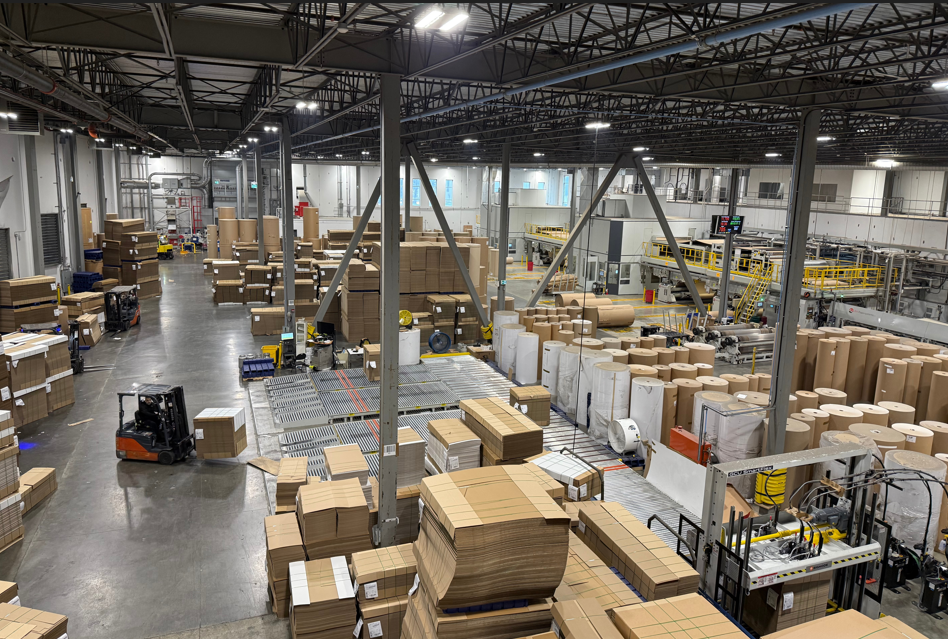
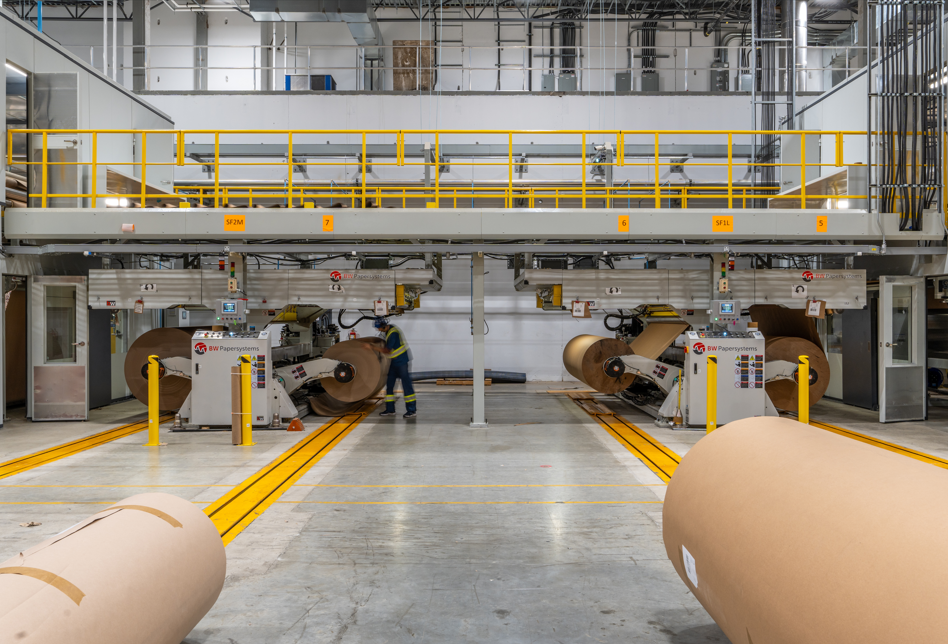
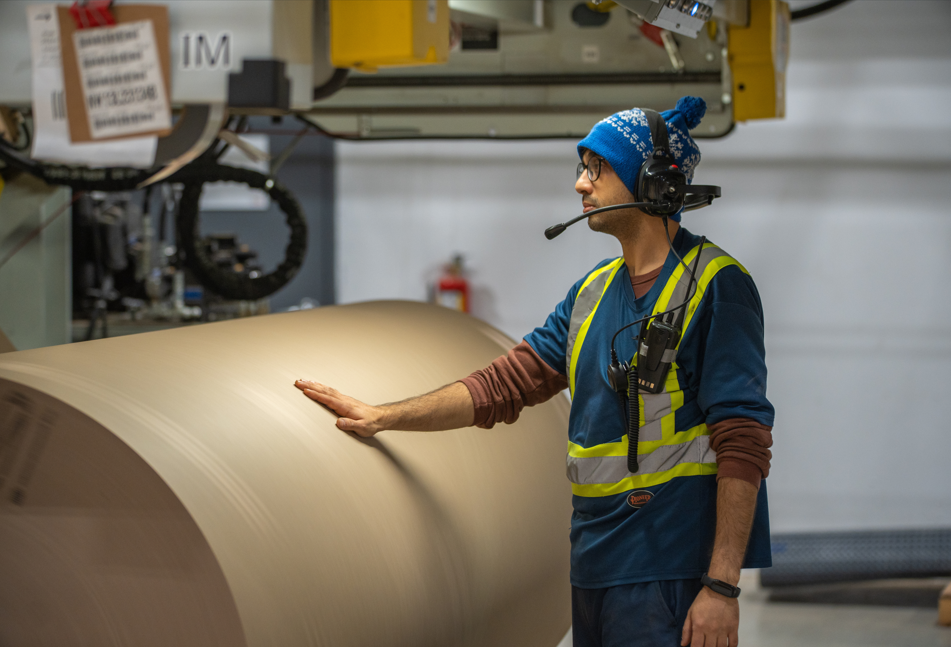
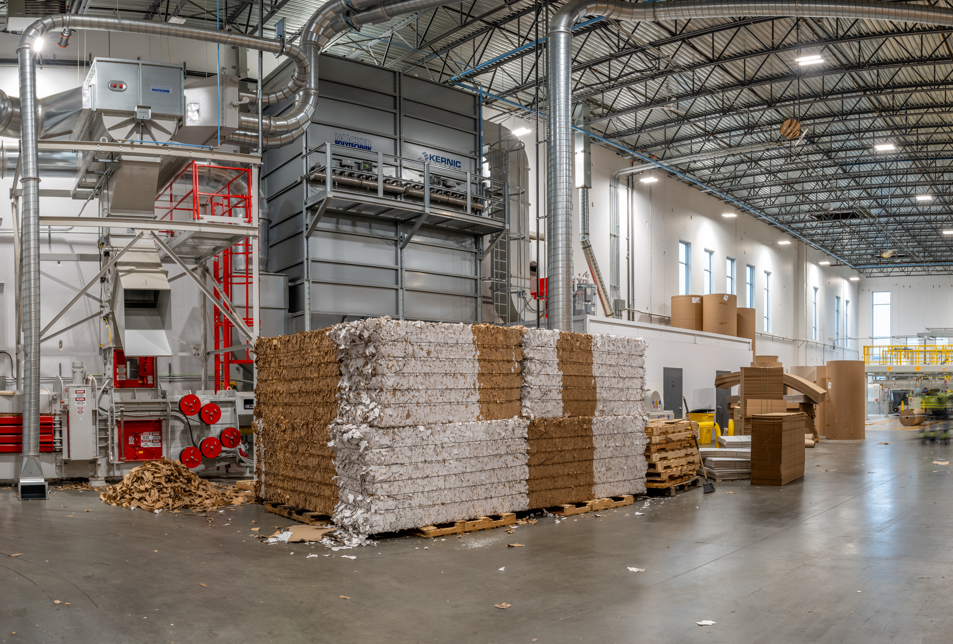
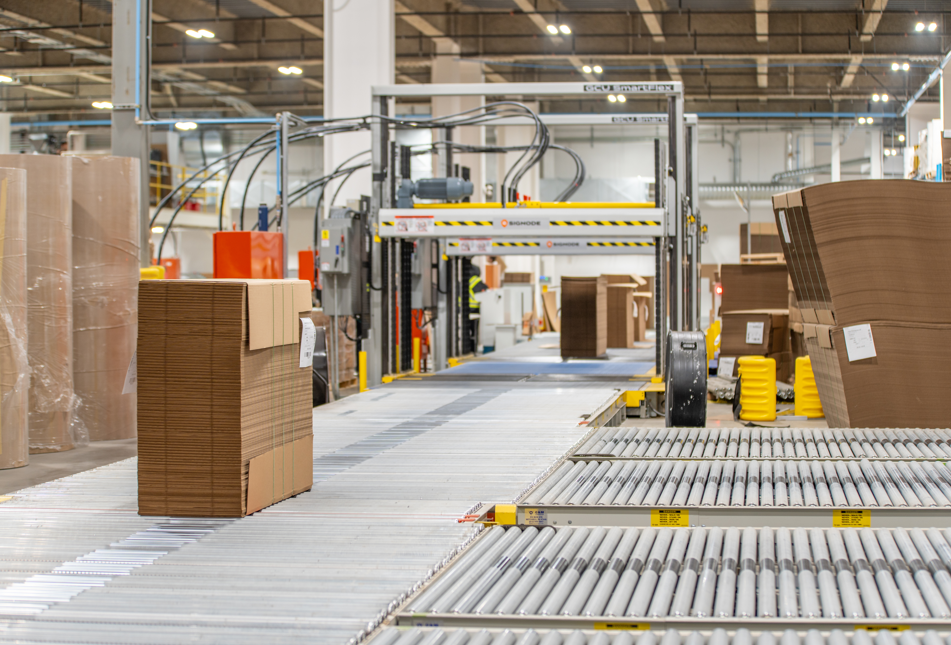
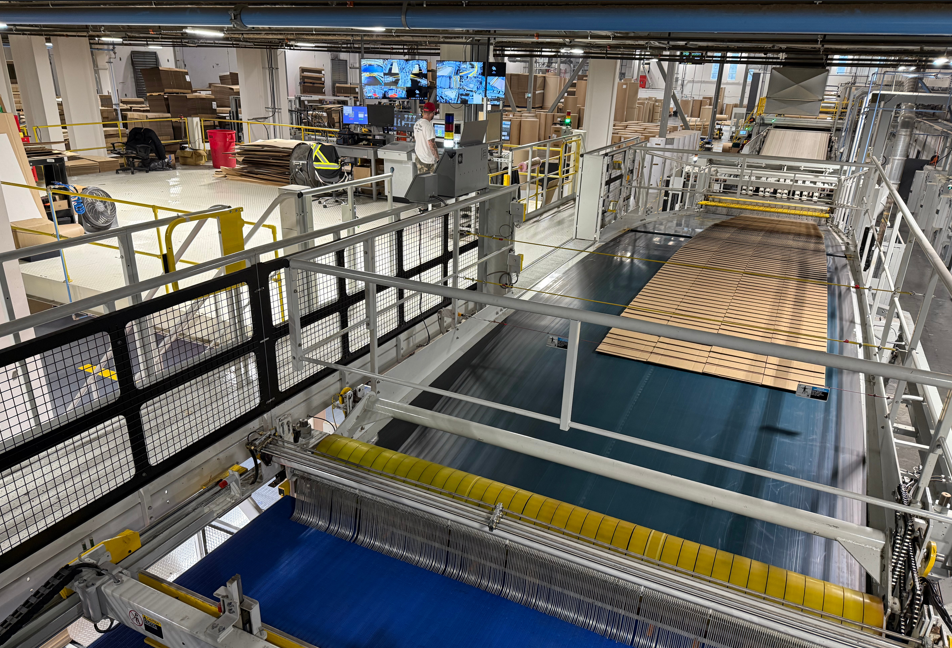
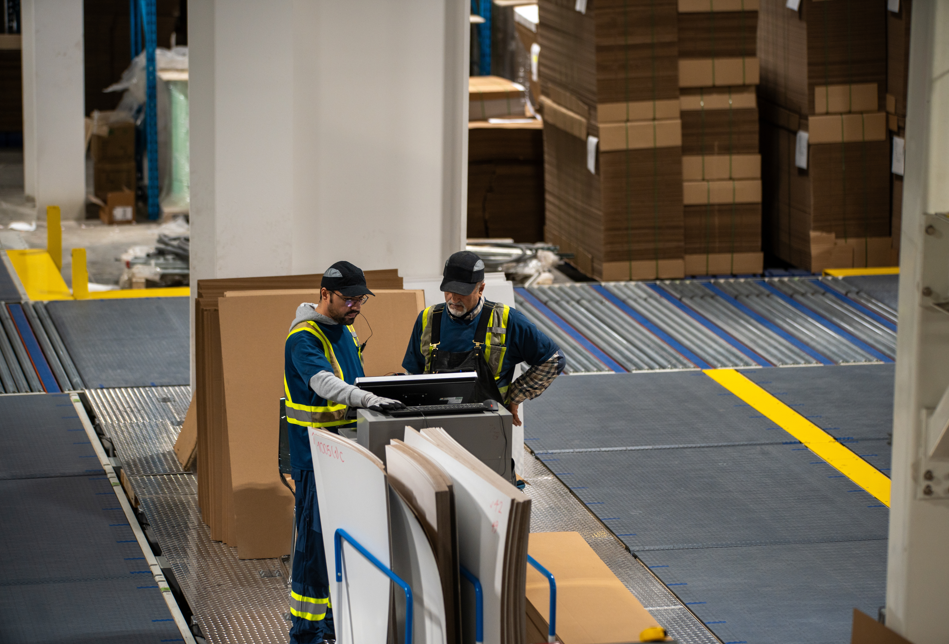
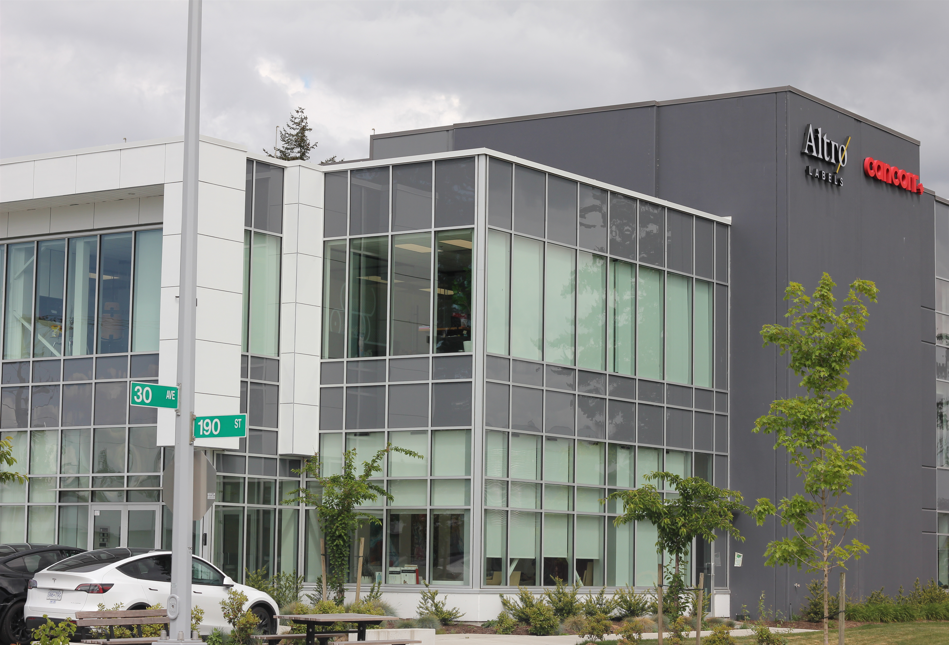
When CanCorr’s operations opened, they had zero clients. But the family had done its research. To stand out, CanCorr positioned itself as a fully independent corrugator. This meant sourcing paper from open markets rather than relying on vertically integrated supply chains, with sources including Europe, New Zealand, and South America, allowing it to secure competitive pricing.
“We knew that by keeping our costs low, we were going to come to the market with a price that attracts box converters. And that's exactly what happened.”
Within its first six months, CanCorr reached one full shift of operations. While CanCorr initially targeted both domestic and U.S. clients, the company deliberately shifted its focus to B.C. clientele. Naemi believes in the growing sentiment that Canada needs to be more self-reliant, which can only happen by building sustainable industries domestically.
“We have to be able to support our own packaging industry because corrugated sheets are an important item in the supply chain. Any price fluctuation directly goes to consumers,” Naemi said.
CanCorr has worked to bring stability to B.C.’s packaging industry, actively serving as a reliable supply chain partner for businesses. But building a stable industry goes beyond the work of one company. Knowing this, Naemi has connected with domestic competitors to partner with them in the spirit of building B.C.’s packaging industry.
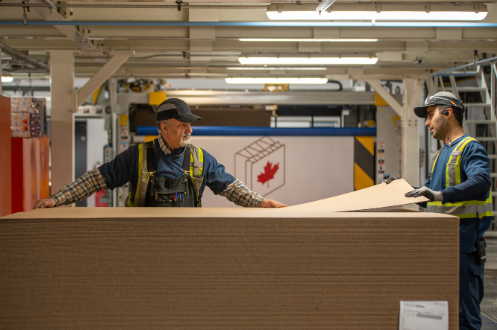
“We have tremendous respect for both our competitors and our clients because they do share the sentiment that we need to work towards self-reliance, especially in Western Canada, which has historically been underserved when it comes to the packaging industry. One of the primary reasons is the lack of a paper mill in Western Canada, which increases reliance on imported materials.”
Industrial stability and self-reliance have proved to be incredibly important over the past year. When the U.S. imposed tariffs on paper products internationally, many suppliers were looking for new North American partners, Naemi said. These tariffs created uncertainty across global supply chains, particularly for industries reliant on imported raw materials. With British Columbia home to Canada’s largest port, CanCorr jumped on the opportunity.
Naemi added that his family’s experiences were an asset when it came to handling the U.S.’s tariff threats.
“When the tariff news hit, it immediately sparked memories in our minds from where we come from. It’s no surprise that government is getting in the way of business and coming up with damaging, sudden regulation changes.”
From their past experiences, Naemi and his family knew that they had to take these threats seriously. He said they took immediate measures but remained calm by looking at all the ways in which their business could be affected and coming up with pragmatic solutions to mitigate the impacts.
One of the first things Naemi and his family did was contact their competitors south of the border. They made an agreement that if the tariffs were implemented, they would not increase their prices by 25% to alleviate pressure on clients.
“All of them were receptive and that just goes to show that the business world has a mind of its own,” Naemi said.
“Even though nothing much happened because we're still under the CUSMA exemption, this work helped us a lot. But at the same time, this doesn't mean that we're going to go back to comfort and say it's business as usual.”
After tariff threats highlighted the importance of stable, self-sustaining industries, the family launched a third company in 2023 to support B.C.’s packaging industry and supply chain – Norlands Box Company, which turns CanCorr’s corrugated sheets into boxes for clients. They serve many industries from food and beverage to manufacturing, and aim to compete with corrugated box importers like Washington, China, India, and Turkey. 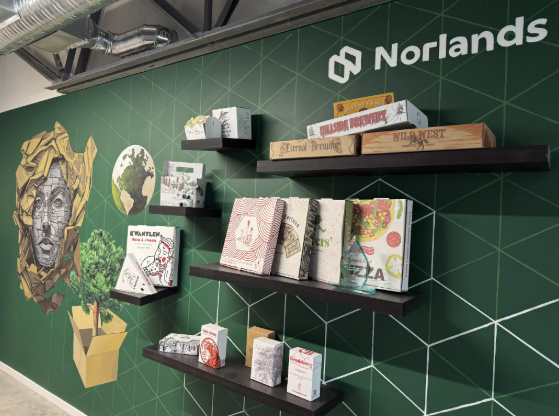
Between Altro Labels, CanCorr, and Norlands Box Company, Naemi’s Surrey facility is now operating at about 80% capacity. But their ambition to grow B.C.’s packaging industry does not stop here. Naemi said they have various long-term plans, one of which includes looking at launching a paper mill in B.C.
While Naemi is very proud of the work he and his family have done and will continue to do in support of B.C.’s packaging industry, he says the highest honour any entrepreneur can have is creating employment and security for people. They want to make sure employees feel supported in their roles, and one way they continue to do so is through integrating AI.
“We were very early adopters of all these business technologies to ensure that our employees are trained with those systems so that they feel supported and not threatened by emerging technologies,” Naemi said, adding that he also sees AI as essential to improving productivity.
“We all know that Canada has huge productivity issues, and B.C. in particular is one of the worst. Instead of worrying about AI replacing jobs, we have to use AI to improve our productivity. And now is the moment to do it.” 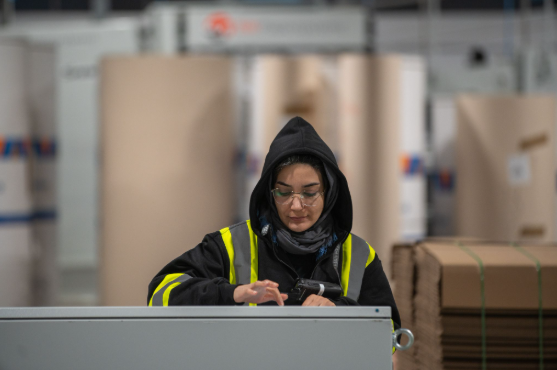
Despite the success Naemi and his family have seen over the past 8 years, he says the B.C. government has a critical part to play in helping businesses position themselves when sudden change hits.
“When the tariff threats were initially announced, we had zero visibility into what the government was thinking and how they were going to respond. The tariffs have very immediate and real consequences for any business in any industry, but we weren't getting any communication from the government.”
Opening up more accessible channels for businesses to engage with government and ensure that their voices are heard would help give businesses more reassurance during times like this, he said.
While the government should also be working to help businesses operate with ease, Naemi said the business community also has a duty to play.
“We need to be way more engaged. We need to engage with each other, with associations, with the government, and make sure we find ways for our voices to be heard. That's extremely important.”