Inside The Eppich Group: The family-owned industrial group that’s shaped B.C. for the last 70 years
What do utility lids, aerospace parts, and cancer diagnosis technology have in common? One family-owned industrial group builds them all.
In 1956, Helmut Eppich, who immigrated to Canada from Germany, opened a small machine shop in Vancouver. A few years later, he opened a fabrication shop, and Ebco Industries, was born. A decade later in 1969, Ebco planted its roots in Richmond and would go on to grow with the region, supporting many of B.C.’s key industries.
Now, seven decades later, Ebco Industries is an anchoring pillar of The Eppich Group, serving customers on five continents and operating at a scale few Canadian manufacturers can match. The company founded and grew a number of successful businesses including Epic Data, Ebco Aerospace, and Aircare.
For Richard Eppich, the business has been a cornerstone of his life since childhood, often spending summers doing odd jobs around the facility. In 2009, Richard became President and CEO, carrying forward a legacy his father built from nothing, and expanding it into territory Helmut could never have imagined.
The history of Ebco lives in The Eppich Group’s Richmond facility. Over decades of growing demand, Ebco expanded into a 240,000 square foot facility. Its 60-foot ceilings and generous square footage accommodate some of the largest machines in all of Western Canada and cranes that have the capacity to lift up to 200 tonnes – a rarity for modern-day job shops.
A Look Inside The Eppich Group’s Facilities
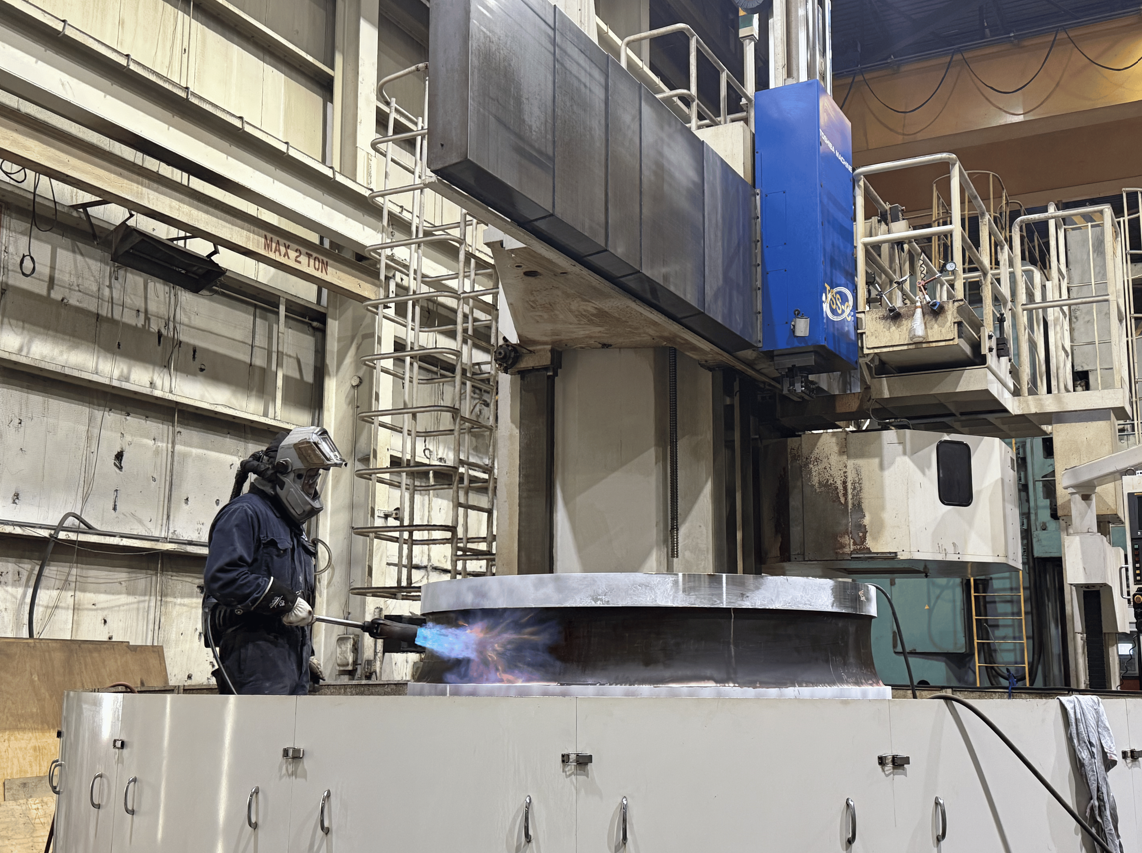
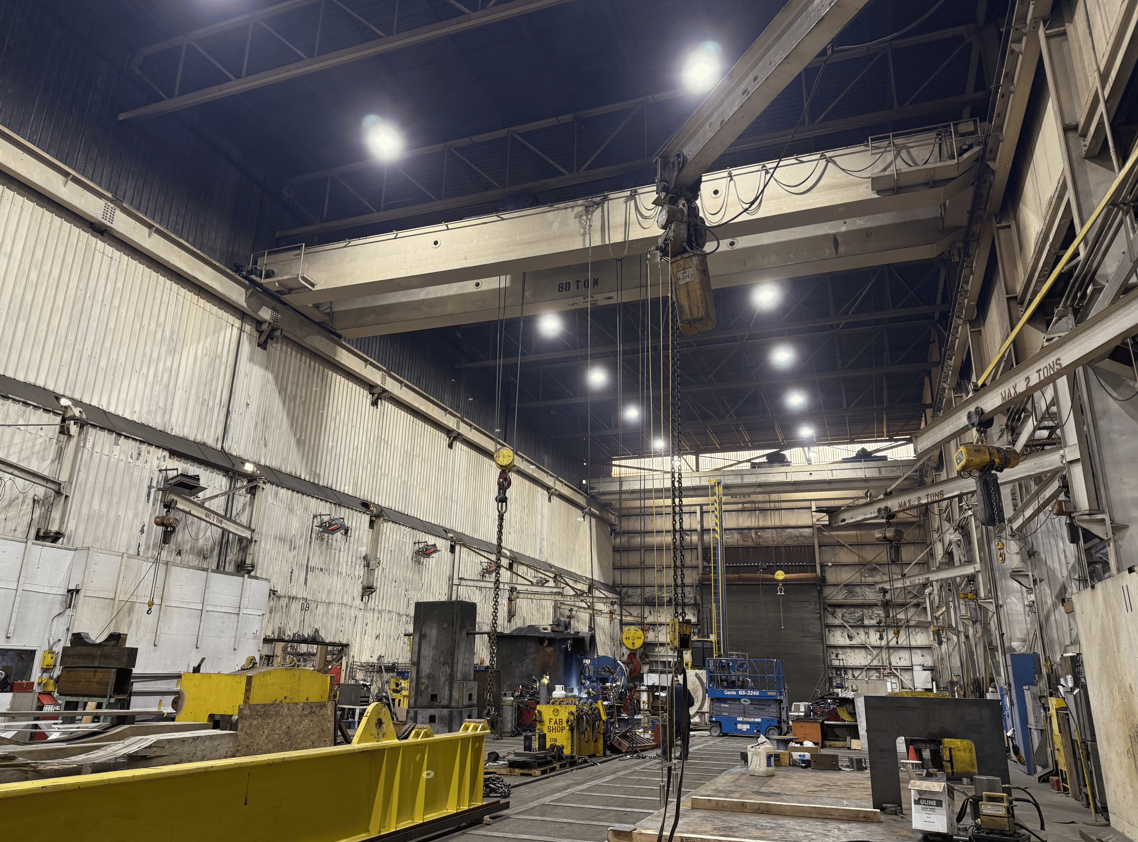
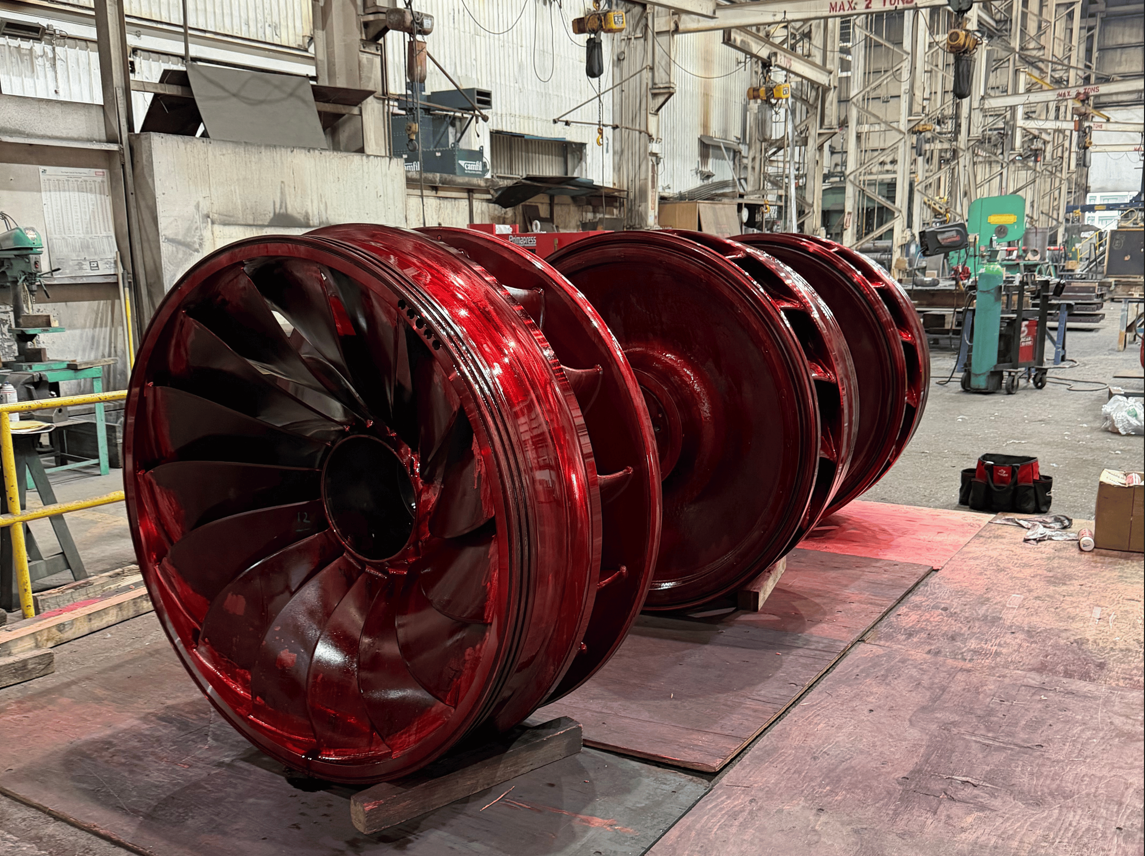
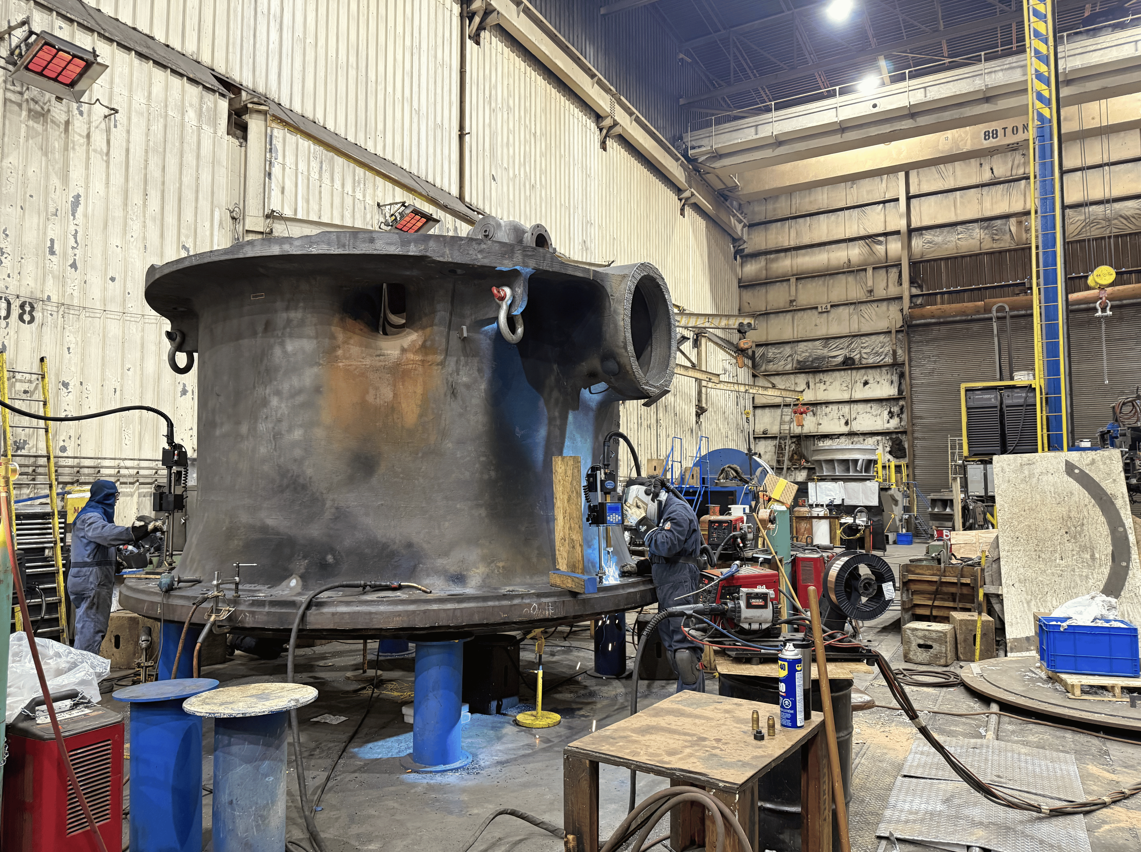
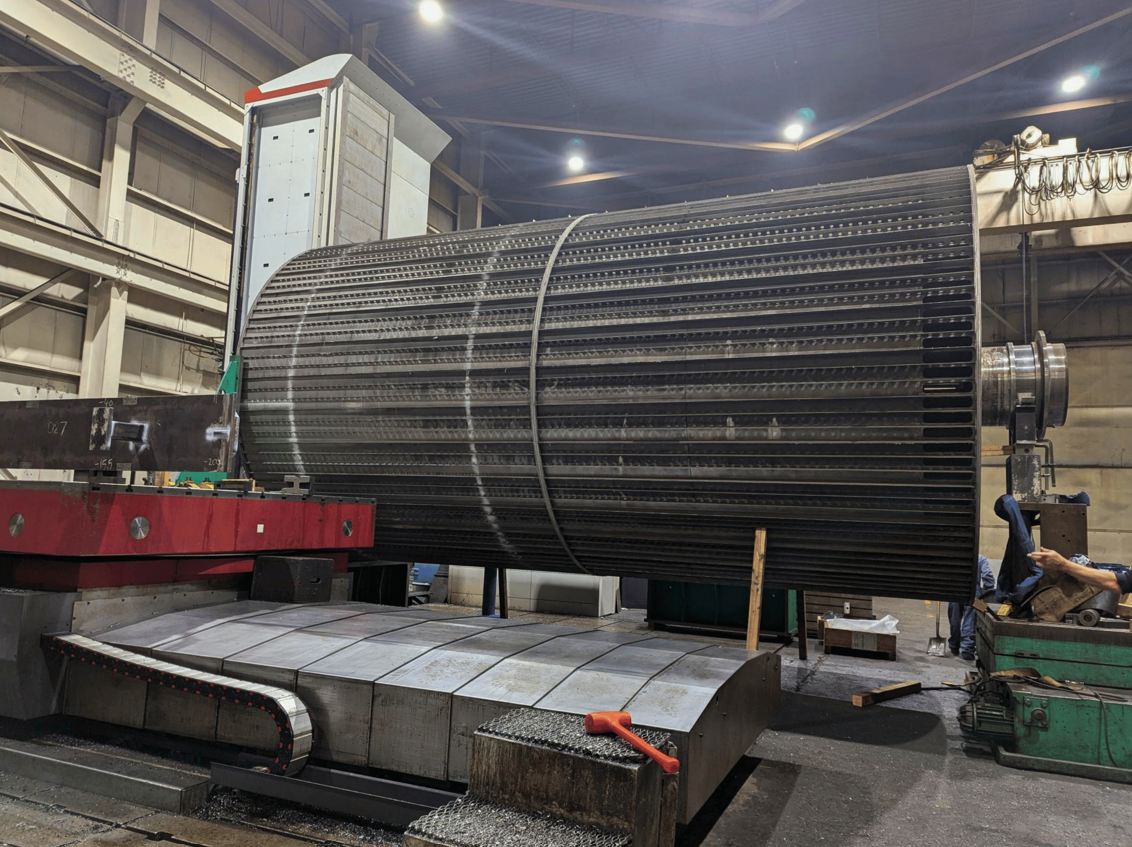
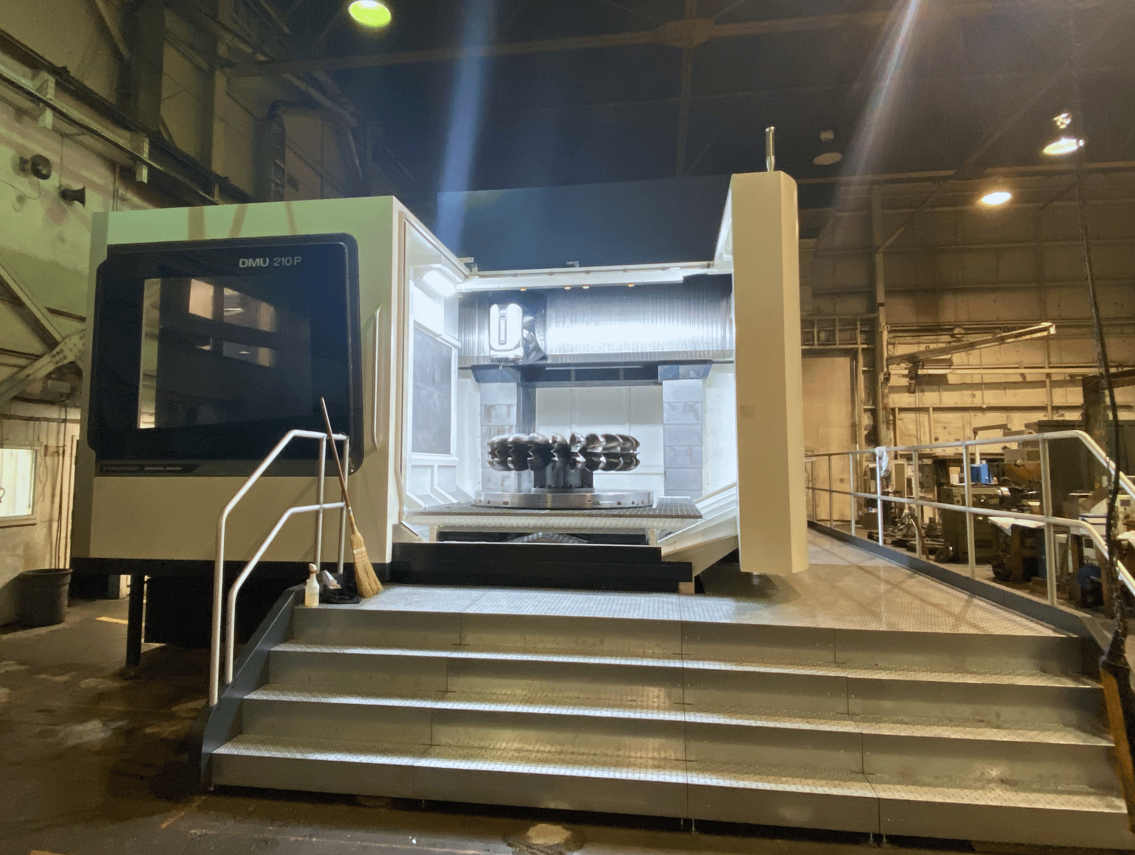
"A unique differentiator for Ebco is that we have some of the largest machining, fabrication, and lifting capacity in Western Canada," Richard said.
Ebco is a high-capacity precision manufacturer specializing in the fabrication, machining, and repair of large-scale tooling and equipment, meaning no two workdays look the same. Its main markets include mining, hydro energy, aerospace and defence, and infrastructure. The company plays a pivotal role in keeping these essential sectors running, building everything from mining buckets and hydroelectric turbines to missile launcher frame systems delivered to the Canadian Navy and more than a dozen countries.
Then there’s the repair work, which often arrives with the clock already ticking.
“It's not just that they need it fixed, they need it fixed right away because their facility is shut down until we get it done,” Richard said.
Ebco’s work has made many notable projects possible, some local and some across the pond. The SkyTrain’s sliding doors were built by Ebco. The company manufactured a tunnel boring machine that was used to carve the 50-kilometre English Channel Tunnel. It also helped make Canadian history by building a component that affixed the Canadarm to the International Space Station. If you look closely, Ebco’s work is on the Canadian $5 bill.
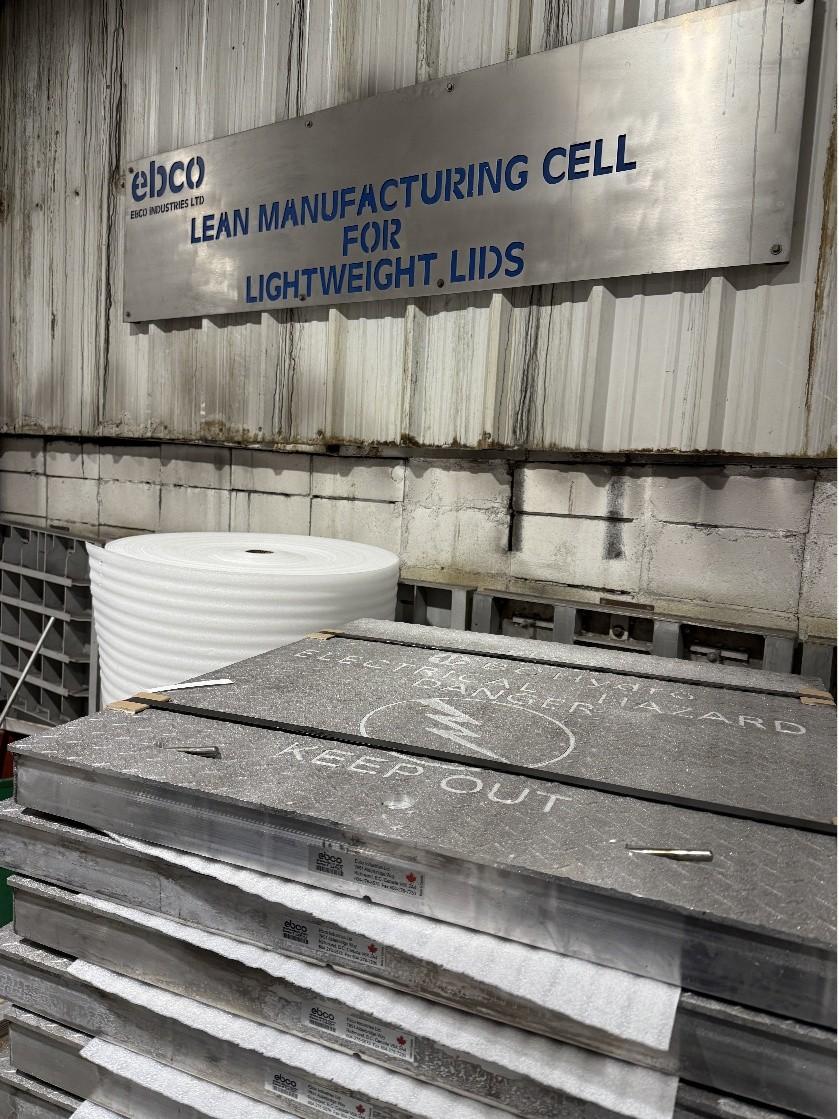 “There's been thousands of people that have come through our doors, and we've also built a lot of infrastructure for Vancouver,” Richard said.
If you’ve spent time in Metro Vancouver, you’ve likely walked all over Ebco. For the past 15 years, the company has manufactured nearly 60,000 utility lids installed across Metro Vancouver’s sidewalks and streets. Ebco has also donated art to the city including the world’s largest Arthur Erickson designed Menorah. The red coil sculpture at Robson Square was built by Ebco’s skilled journeymen, machinists, and fabricators.
But it is also alive with passion and dedication. The Eppich Group has many long-standing employees - some having worked for the company for more than 50 years.
For Richard, being able to give a person a job is one of his greatest KPIs.
“I believe that we are all put on Earth to serve other people. We're not here for ourselves,” he said. “And that's how I look at a business. What purpose does it serve?”
Current projects Ebco’s employees have on the go include building three types of robotic carts for the new St. Paul’s Hospital – linen, surgical, and food carts. Autonomous robots will move these carts around the hospital.
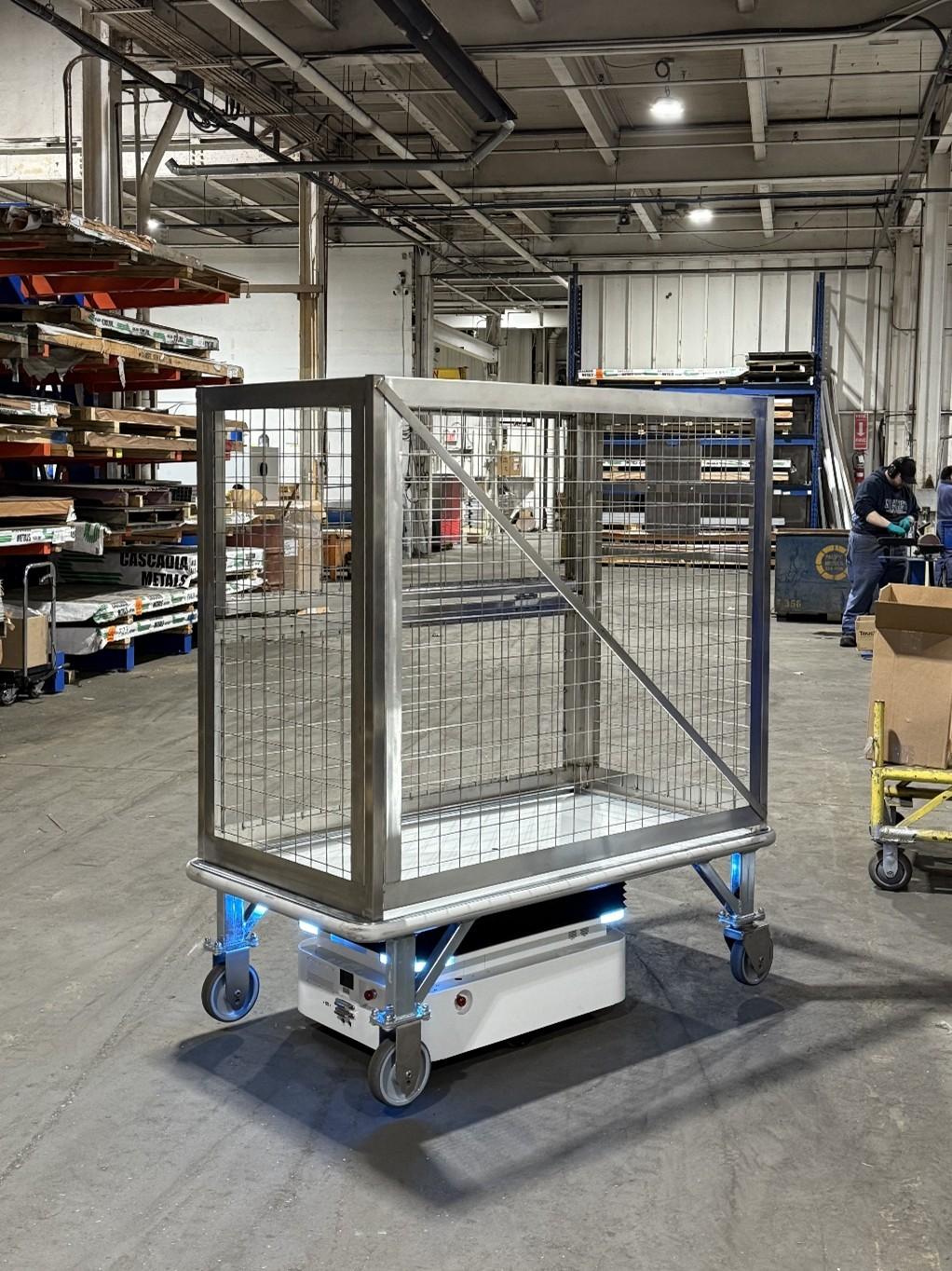
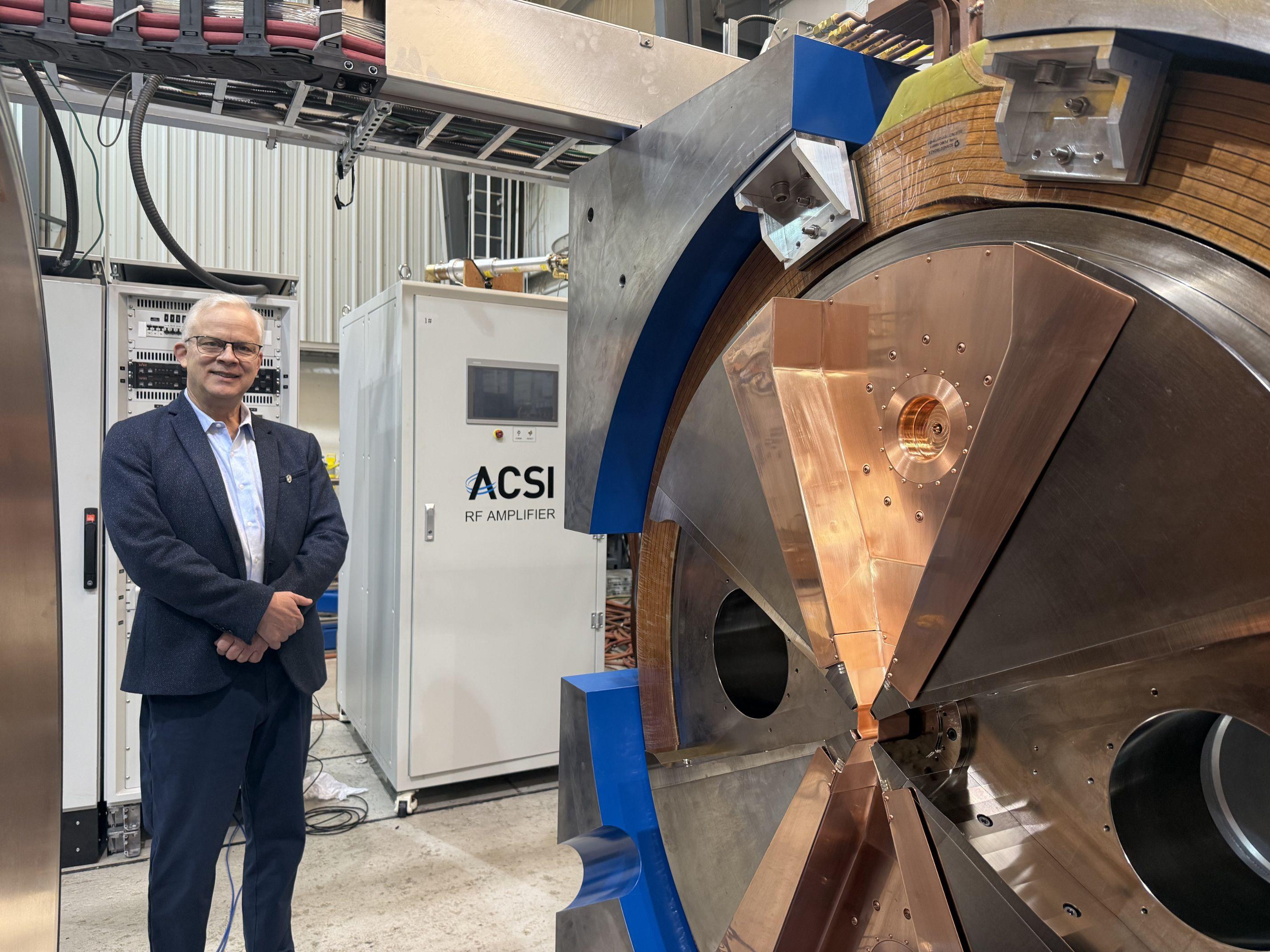
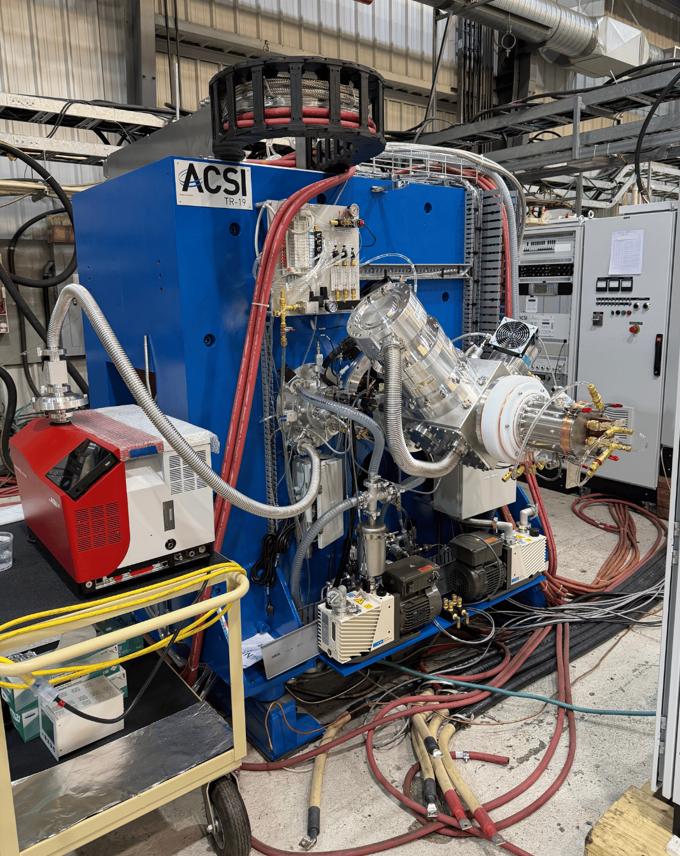
The second pillar of The Eppich Group grew directly out of Ebco’s shop floor. In the 1980s, Ebco was contracted to manufacture cyclotrons for TRIUMF, Canada’s leading particle accelerator centre. Cyclotrons are used for nuclear imaging and cancer diagnosing. The cyclotrons produce medical isotopes that are injected into the patient. The isotopes attach onto cancer cells and light up under a PET camera.
After building the first two cyclotrons, Ebco saw a bigger opportunity.
“We said, ‘Hey, let’s spin off a new business,’” Richard said. “And that new business, Advanced Cyclotron Systems Inc (ACSI), started in 1990.”
It proved to be a transformative decision. ACSI is now the fourth-largest cyclotron manufacturer in the world and has sold its machines to hospitals, universities, and independent distributors in more than 30 countries. Some of ACSI’s customers include MIT University in Boston, AIIMS Hospital in New Delhi, India, and Alpha Nuclide in Ningbo, China. Recently, ACSI launched the TR-Alpha, the world’s first cyclotron designed specifically to produce Astitine-211, a medical isotope that can treat certain cancers.
Ebco manufactures key components for every ACSI cyclotron, giving The Eppich Group a speed and quality-control advantage few competitors can replicate.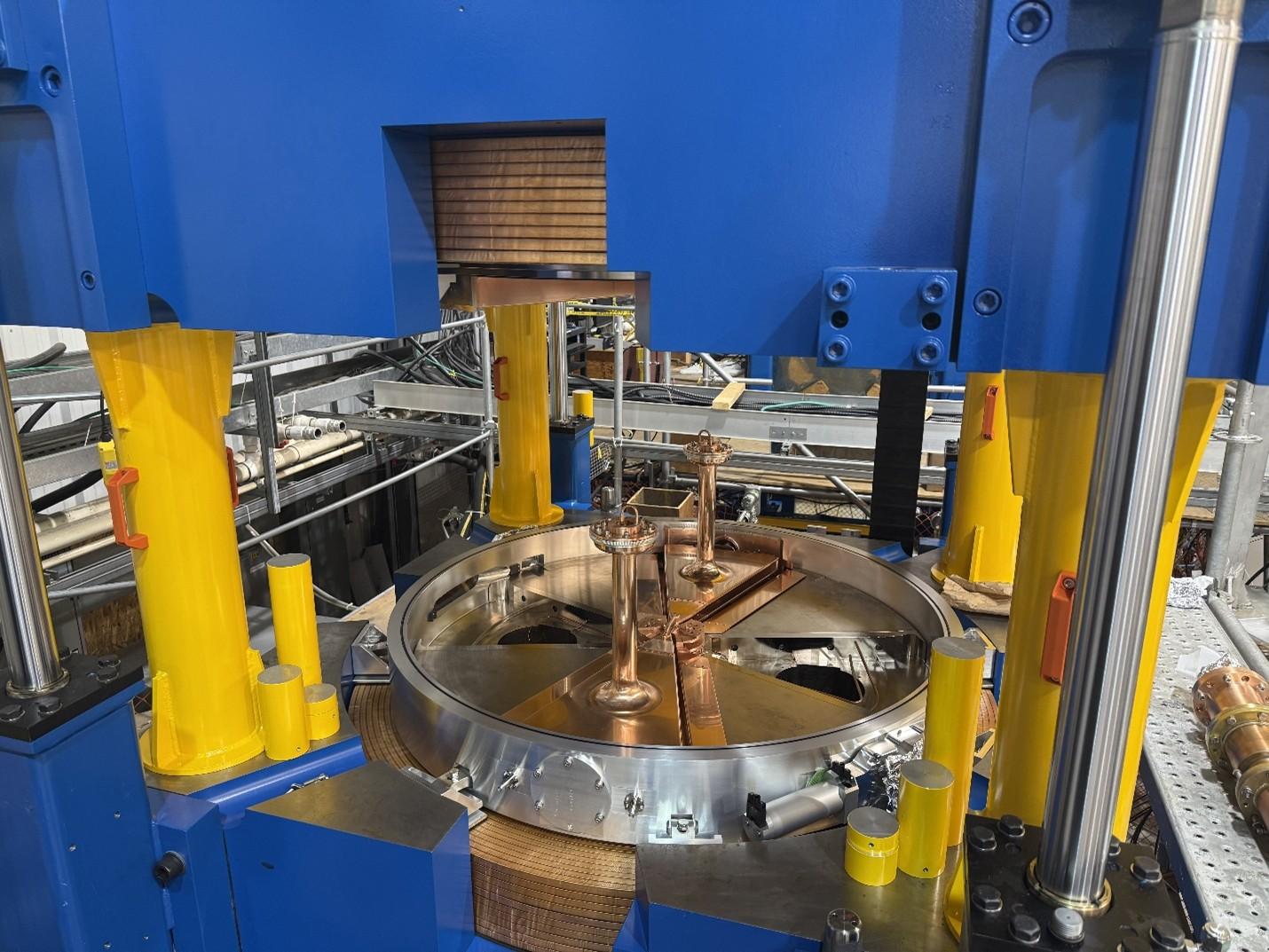
Both Ebco and ACSI operate in highly specialized niches with limited domestic competition, which naturally positions them in international markets where they compete against manufacturers in China, Europe, and the United States.
“We're a truly international business, competing in dozens of countries and against some of the largest companies in the world, like General Electric and Sumitomo,” said Richard.
“What distinguishes us from the competition is our robust commitment to the highest quality standards. We cannot compete on low-cost business. We compete on quality.”
This philosophy – build it once, build it right, build it to last – runs through everything The Eppich Group produces, from a 50-tonne mining bucket to a precision cyclotron destined for a hospital in Southeast Asia.
But running a manufacturing group in Greater Vancouver does not come without its headwinds. Industrial land is scarce, leading many businesses to relocate or expand outside of the province.
“We’ve been looking for [industrial lands] for over 15 years, and there's not a lot out there. It’s so bad we’ve seriously looked at either going to Washington State or maybe Alberta. But I'm too stubborn to believe that we can't figure it out here,” Richard said.
GVBOT’s Building B.C.'s Economy: Fostering More Local Production report found that over the past 4.5 years, the scarcity of suitable industrial space has driven 5.1 million square feet of investment to Calgary, costing B.C. over 6,300 direct jobs and $494 million in GDP. In order for more companies like The Eppich Group to find success in B.C., we need the industrial land required for them to scale and invest. Doing so will grow our local economy and create thousands of well-paying jobs.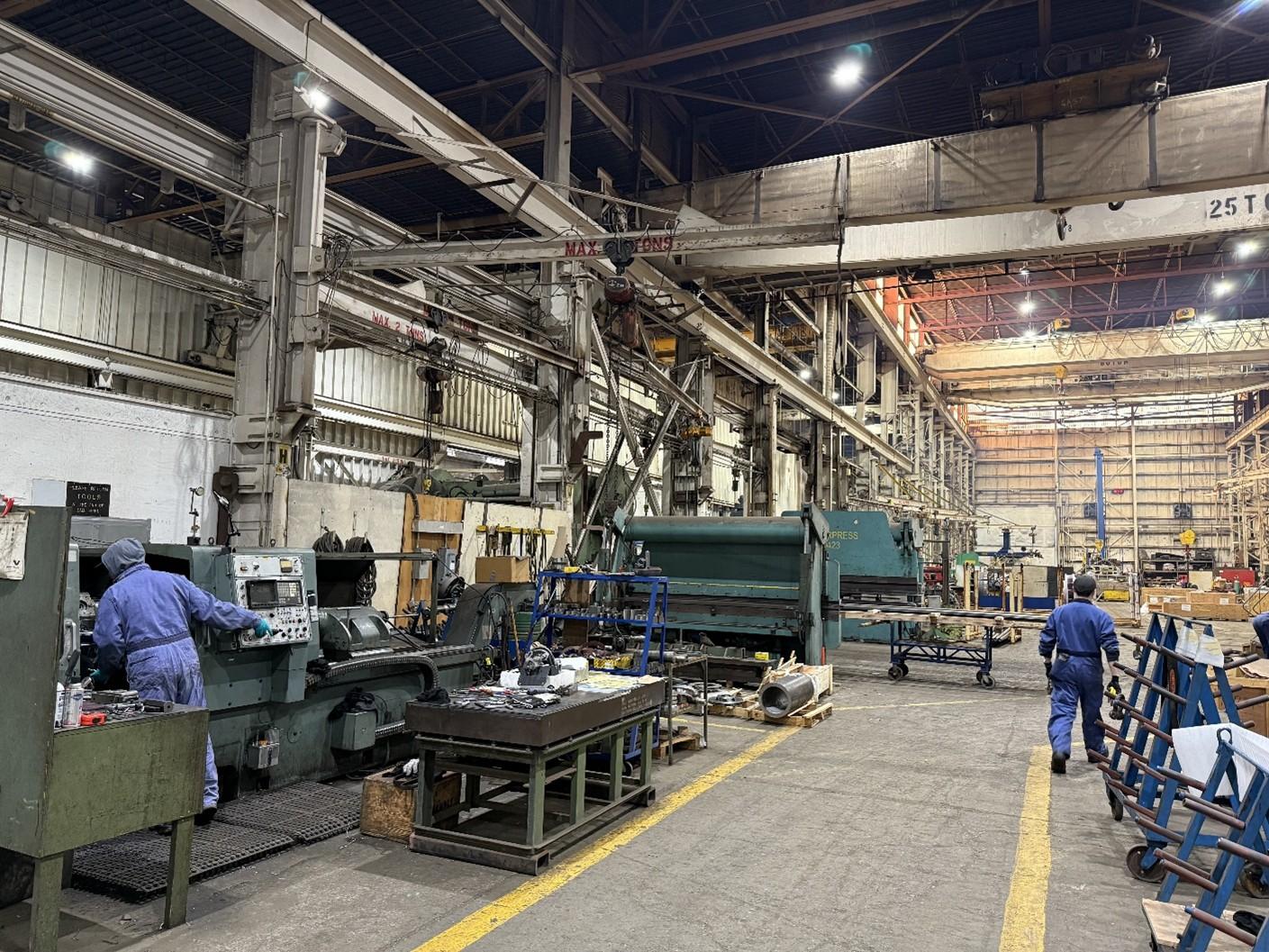
As a company with 150 employees, The Eppich Group is a medium-sized business, which also comes with its challenges. While Canada supports businesses in areas like research by developing tax credits that allow small and innovative firms to grow, medium-sized businesses tend to fall through the gaps, Richard said. These businesses are then often bought by a foreign entity who will scale the company, creating the jobs and producing the revenues that otherwise would have occurred in Canada.
“We could grow our employment by many multiples if we could get government support for the investments in advanced machinery and systems,” Richard said. “But as a mid-sized business, we don’t have the resources and expertise that larger companies have to effectively seek that support. We’re like the middle child who always feels a bit ignored.”
Despite these challenges, The Eppich Group has managed to stay strong, even amid U.S. tariff threats and slowing economic growth. But this doesn’t mean the policies and regulations around manufacturing in B.C. and Canada should stagnate. If we want to build a strong, sustainable economy, there needs to be more opportunities for manufacturing businesses to call B.C. and Canada home.
“If you don't get it built here in Canada, where are you going? Probably the U.S., China, or somewhere else. Great, go and build their industry,” Richard said.
“If Canada wants to be self-sufficient, it's going to need more companies like The Eppich Group.”