Meet Adam Cheung, Co-Founder of Bespoke Made Suits
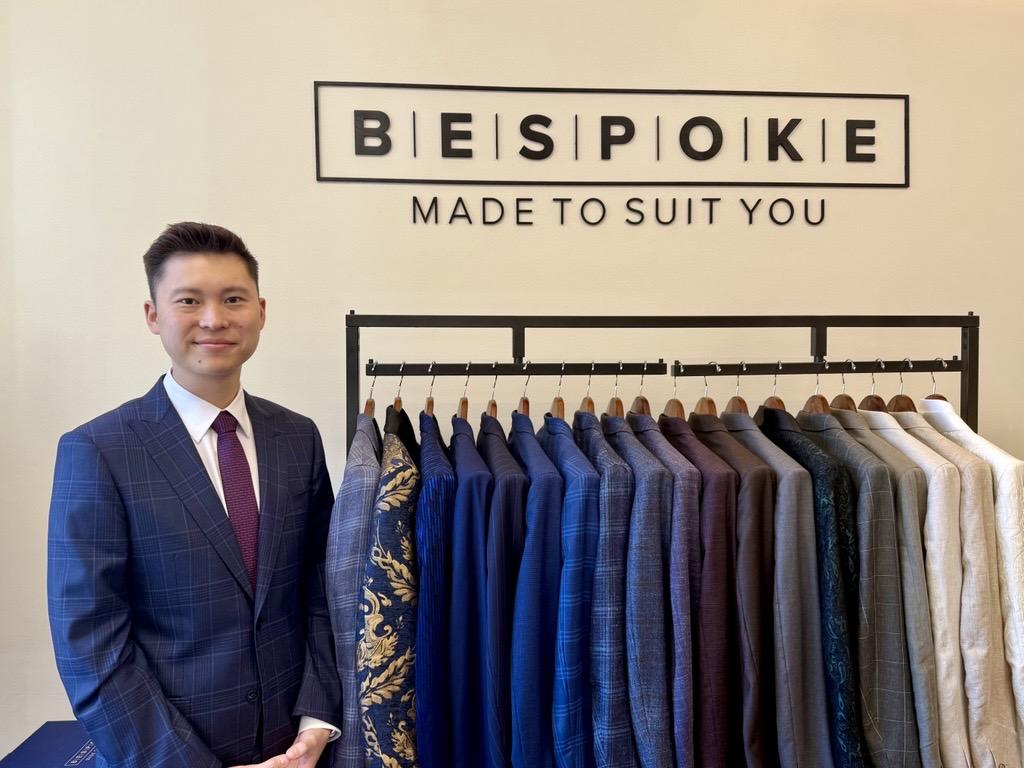
For Adam Cheung, co-founding Bespoke Made Suits wasn't part of a long-term business plan. It started with a problem he couldn't solve himself.
More than a decade ago, while searching for a suit for a company event, he struggled to find clothing that fit his unique proportions. The options available were often expensive, slow to produce, or confusing to navigate, exposing gaps in the custom suiting industry that he felt could be improved. In 2019, Adam turned that experience into a business, launching Bespoke Made Suits with a goal of making custom clothing more accessible, transparent, and convenient.
Today, Bespoke Made Suits specializes in fully customized suits and garments for weddings, professionals, and special occasions. The company is known for its mobile service, bringing fittings directly to clients' homes and workplaces, while also offering a Vancouver showroom where customers can explore fabrics, styles, and design options in person. By combining personalized service with custom craftsmanship, Bespoke Made Suits focuses on creating garments that are tailored not only to a client's measurements, but also to their lifestyle, preferences, and individuality.
We spoke with Adam about his experience operating a small business in Vancouver, the unique challenges and opportunities that come with entrepreneurship, and the lessons he's learned along the way.
What does Bespoke Made Suits offer the local community?
From a product perspective, I would say we are a company that tries to take as much of your worry away as possible. We work with a lot of weddings, and weddings are stressful enough. Once you come to us for a suit for your wedding, that's our problem now. Delivering on time, getting you fitted, and making sure you look good are all things we take care of.
We also work with a number of local organizations. We've worked with groups that help people who may not have finished school or who are recently out of a facility, whether that's medical, incarceration-related, or something else, find jobs. Any time we retire pieces or have items we no longer need, they usually go to organizations like that. UBC’s Sauder School of Business also has a complimentary rental service for their students, and they have a number of our pieces available for rent as well.
What does being a small business mean to you?
It means doing anything and everything. It means wearing every hat. It means figuring everything out, and it means never knowing what's next.
It's been a great learning experience. One of the things I love most about this job is meeting new people. Through this work, I meet people from all walks of life and in all kinds of professions. You get to see what people are really like.
I hate to say it, but stereotypes are stereotypes for a reason. Sometimes you meet a doctor or a lawyer, and they're exactly what you'd expect. It's funny, but ultimately, you get to meet people from every background imaginable.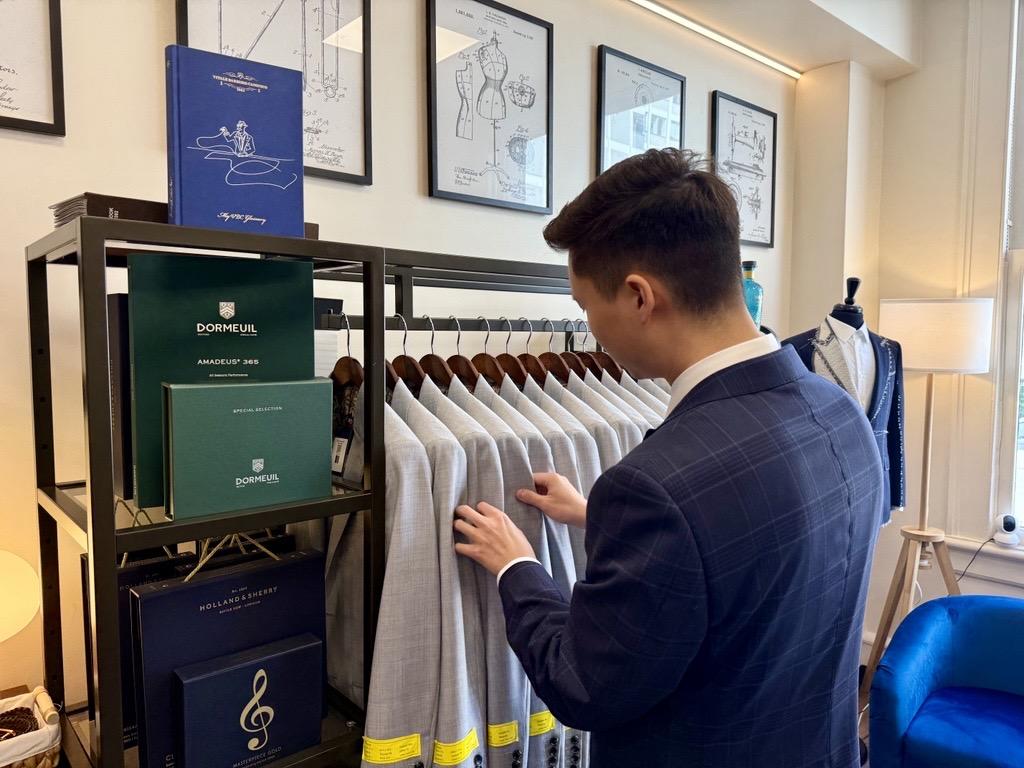
What are your favourite parts of owning a small business?
I love how much control you have. Anyone who has worked for someone else knows there are often so many hurdles to getting something done, especially in a larger organization. I have a lot of friends who work in government, and they'll tell you they spend a huge amount of time jumping through bureaucratic or political hoops.
Don't get me wrong, as a small business owner you still deal with some of that, but it's not nearly as extreme.
I also enjoy providing my services to clients. We take a very holistic approach. Everything starts with the vision. It's not necessarily about a client knowing exactly what they're looking for.
We start by understanding the event. What does the venue look like? Do you have groomsmen or bridesmaids? Are there colours you love or colours you want to avoid. The venue is probably the number one factor that influences what the final piece is going to look like.
From there, we look at the individual. What is their body shape? What is their skin tone? Which colours complement their complexion? Then we work through the process step by step. That’s the wedding side of things.
On the professional side, we work with everyone from people in the restaurant and hotel industries to lawyers and finance professionals. Different careers influence how a garment should be made. Are you moving around a lot, or sitting at a desk most of the day? Do you need extra room in certain areas? Do you need more durable, breathable, or wrinkle-resistant fabrics?
Ultimately, it depends on the individual, but everything starts with a conversation.
A lot of people ask us, "If I send you my measurements, can you make me a suit?" In most cases, the answer is no. Measurements tell you size, but they don't tell you shape. They don't tell you the slope of your shoulders, your sleeve pitch, or whether your arms naturally hang farther forward or backward than average.
So much of custom suiting is about understanding the individual and how they move and carry themselves. Most people don't think about those details until they're standing in front of a mirror, trying something on, and I point out everything that's not working.
What kinds of unique challenges do you face as a small business?
As a small business, I think the biggest challenge is never knowing what's next. You're always somewhat at the mercy of what's happening around you.
A few years ago, we discovered that most paid marketing channels just don't work very well for us. SEM and similar tactics didn't generate much business.
What we noticed was that we'd go through periods with no phone calls at all, and then suddenly we'd get a flood of calls on the same day. We kept asking ourselves, "Why is this happening?"
You know what it ended up being? A new episode of Peaky Blinders. We started looking at the data because people kept referencing the show. They'd come in talking about the suits worn by the characters, and eventually we realized there was a direct correlation.
Buying a suit usually isn't at the top of most men's priority lists. More often, it's their partner saying, "You need to take care of this." Then a new episode comes out, they get inspired, and suddenly the phones start ringing.
It's funny, but it was a real trend.
We'd also love to work with more professionals in the office workforce. However, Vancouver being Vancouver, it's a very casual city and not many people wear suits to work anymore. We'd love to show those who do wear suits how comfortable and convenient custom suiting can be.
Scaling is definitely another challenge. The learning curve is steep. Properly training someone to measure clients and deliver the level of service we expect takes a significant amount of time. If that person leaves, they're very difficult to replace.
Finding good help in Vancouver is another challenge. We're particularly lacking skilled labour on the tailoring side. Our team is small but highly skilled, and finding qualified replacements can be extremely difficult.
If there's one thing I wish more people understood about our business, it's that custom suiting is about much more than measurements. It's about understanding the individual, their lifestyle, and the unique shape of their body. 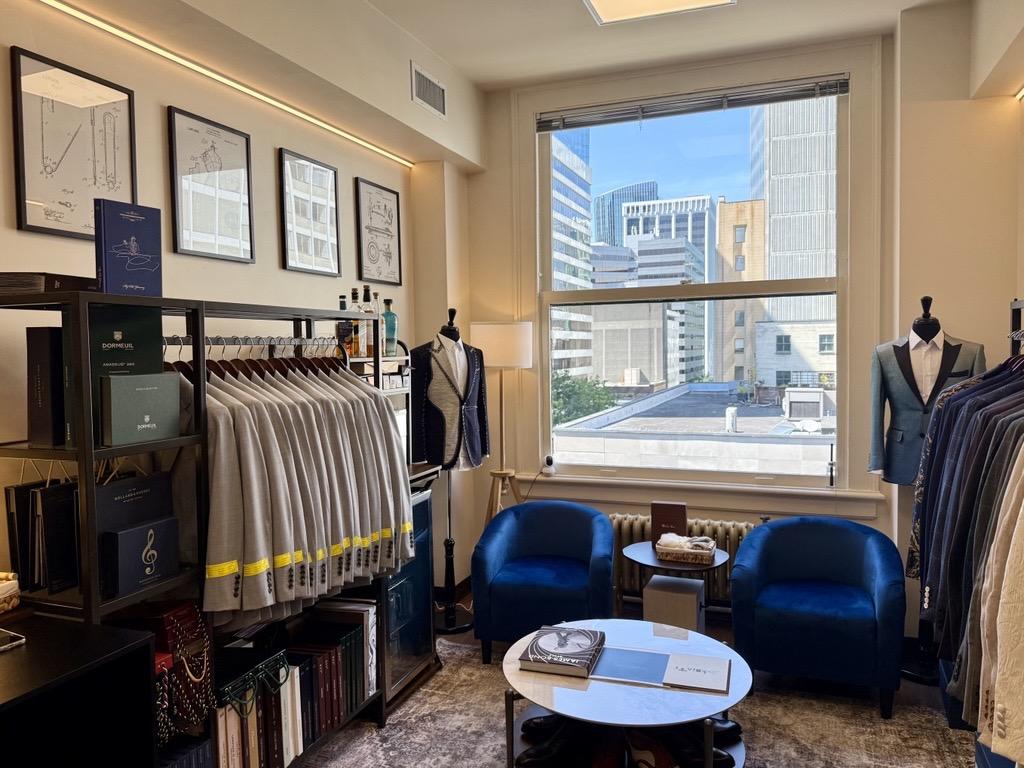
What’s something you wish more people knew about owning/operating a small business in Greater Vancouver?
If you're going to start a small business, just do it. There are going to be days when you don't feel like showing up, but you have to. That's one of the most important qualities of being a small business owner.
It's not necessarily specific to Vancouver, but if you want to do something, you have to commit to it and go for it. I think that's the biggest lesson. If you want to do it, just do it.
This article is part of the Greater Vancouver Board of Trade's Small Business Month initiative, celebrating the entrepreneurs and small businesses that help drive innovation, create jobs, and strengthen communities across our region. Explore more stories on our Articles page.