Meet the New Leaders Helping to Shape Arcadis' Future in Western Canada
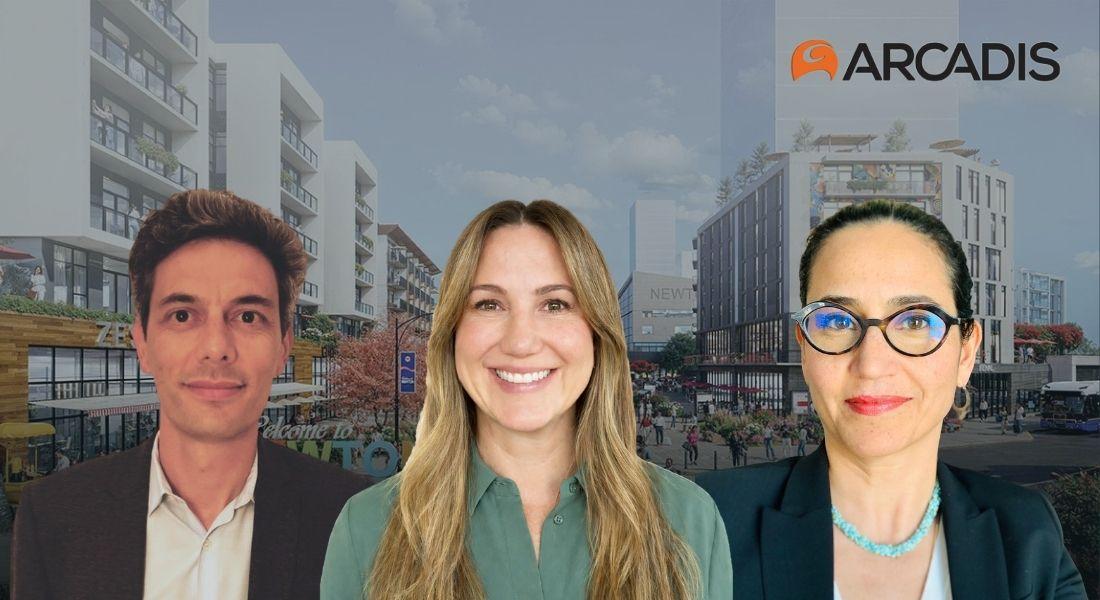
Western Canada is at a pivotal moment. Rapid population growth, major infrastructure investments, and the increasing impacts of climate change are reshaping how communities are planned, built, and connected. Addressing these complex challenges requires multidisciplinary leadership and a commitment to integrating infrastructure, placemaking, and resilience into every stage of development.
As Arcadis continues to grow its presence in the region, the company has welcomed three new leaders who bring deep expertise across landscape architecture, transportation engineering, and disaster and climate risk management. Together, they are positioned to tackle some of our region’s most pressing priorities and emerging challenges.
In the Q&A below, Maren McBride, Antoine Henry, and Sahar Safaie share what inspired them to join Arcadis, what excites them about helping lead the business in Western Canada, and how they see the region's opportunities and challenges evolving in the years ahead.
Maren McBride - Principal and Landscape Architect
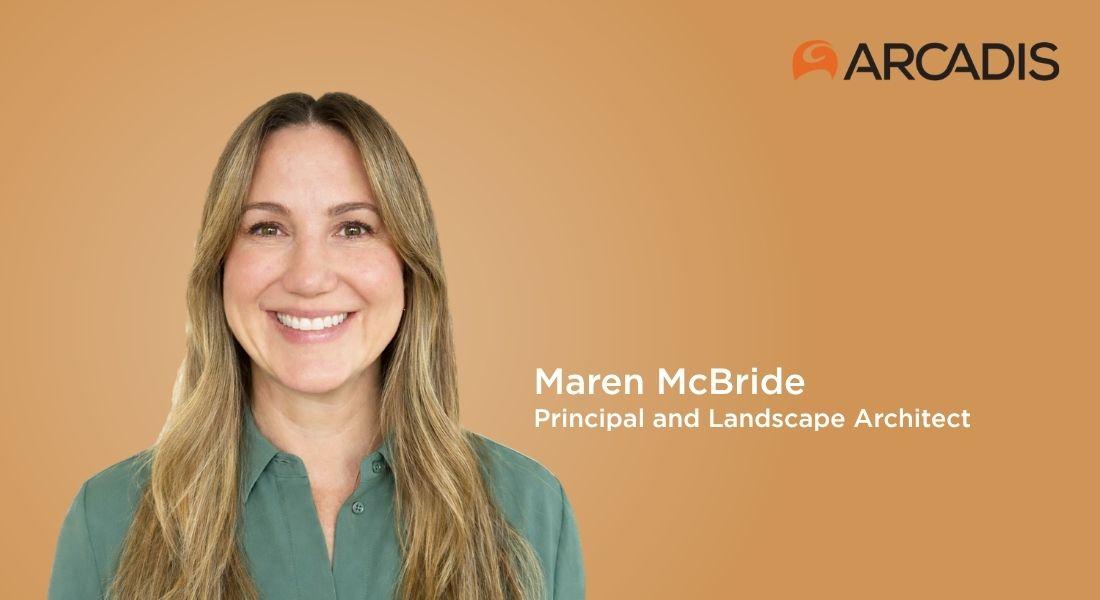
What inspired you to join Arcadis, and what excites you most about being part of its Western Canada leadership team?
I joined Arcadis because I was drawn to the strength of the Placemaking team and the chance to help grow its presence in Western Canada. My own background crosses landscape architecture, urban design, and planning, so the way the Placemaking team integrates all of these practices really resonates with me. What excites me most about being part of the leadership team is having a voice in how we shape our work here, bringing placemaking into the conversation early and making sure landscape architecture is helping lead some of the big conversations about how our communities grow.
Western Canada is experiencing significant growth, urbanization, and climate-related challenges. How can integrated landscape architecture and urbanism help create more resilient, connected, and people-centered communities in this context?
Landscape architecture and urbanism are fundamentally about connecting the pieces of our communities. Housing, infrastructure, mobility, public space, and natural systems can't be considered in isolation. When we bring those perspectives together, we can make better decisions about how communities grow and create places and spaces that work for people over the long term.
That is especially important in Western Canada, where we have this rapid growth happening within an incredible natural context. We have the responsibility to accommodate that growth in a way that strengthens, rather than loses, what makes these places special. For me, that means communities that are more rooted in place, where the infrastructure and development we need also contribute to a better everyday experience for all users.
What do you find most rewarding about landscape architecture?
What I love about landscape architecture is the incredible breadth of our profession. We work across scales, from regional systems and neighbourhoods to streets, parks, and public spaces, bringing together design, ecology, infrastructure, and the way people experience a place.
There are very few professions that get to think so broadly while having such a tangible impact on people’s everyday lives. Our work is inherently collaborative, and the best outcomes come from bringing different communities, perspectives, and disciplines together. Ultimately, we get to help shape places that people use, experience, and hopefully love for generations.
Antoine Henry – Senior Project Manager
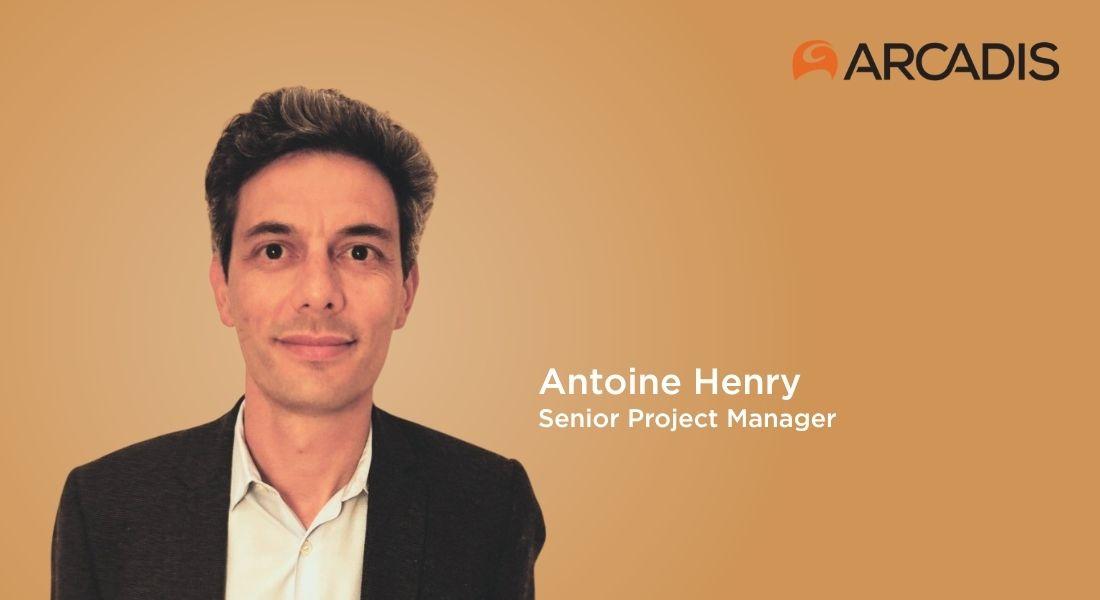
What inspired you to join Arcadis, and what excites you most about being part of its Western Canada leadership team?
I was previously part of Arcadis France, where I had the opportunity to contribute to major and inspiring projects, including metro projects in Paris and tunnel infrastructure work in the French Alps. I wanted to continue my journey with Arcadis because I value the company’s integrated and multicultural approach, its strong focus on people, its commitment to innovation, and its ability to combine global expertise with a strong local presence.
With nearly two decades of experience delivering complex roadway and transportation projects, how do you see infrastructure evolving to support Western Canada's growth, mobility needs, and long-term resilience?
I see a strong political commitment from the federal government through nation-building projects, alongside a growing focus on developing Canadian resources and advancing sustainable development. These priorities are driving growth and attracting people who will need to move in more responsible and resilient ways. The wildfires that affected the Okanagan this summer are a clear reminder of what is at stake. Compared with Europe, Western Canada is still relatively young in terms of infrastructure development, which creates significant opportunities to build differently and avoid repeating past mistakes.
What is one of your favourite things about leading multidisciplinary teams?
On a personal level, I truly enjoy learning from the depth of technical expertise that Arcadis specialists bring to our projects. More broadly, I find it especially rewarding to bring multidisciplinary teams together and present a cohesive, aligned approach to clients. Everyone brings strong expertise in their own discipline, but the real challenge—and value—comes from helping people understand one another’s perspectives, priorities, and concerns. As the saying goes, “Alone, we go faster; together, we go further.”
Sahar Safaie – Disaster and Climate Resilience Director
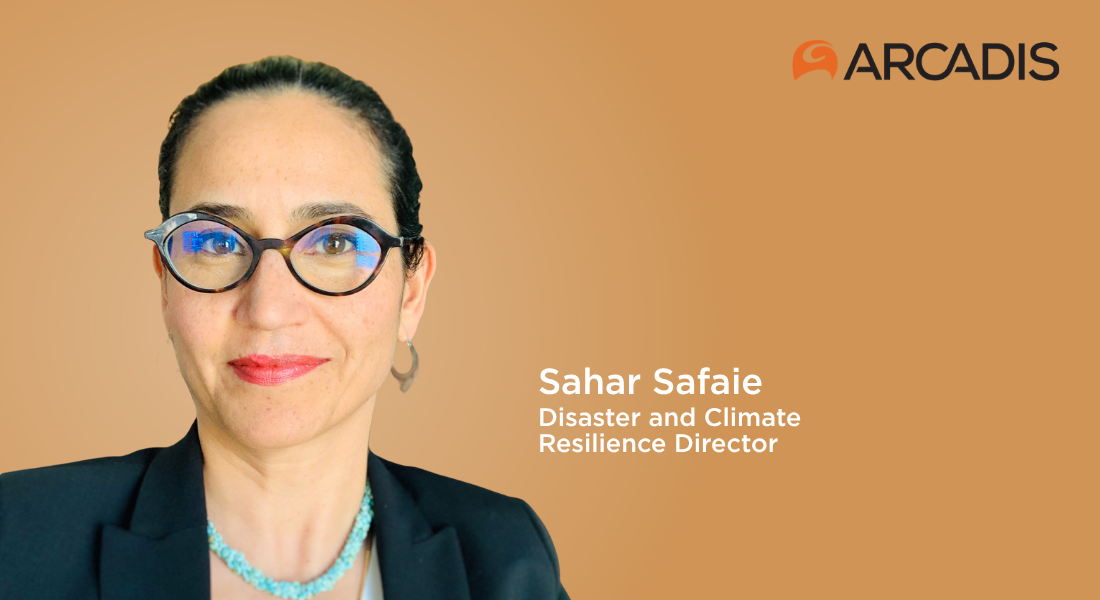
What inspired you to join Arcadis, and what excites you most about being part of its Western Canada leadership team?
The field of disaster and climate risk and resilience is advancing rapidly, and integrating risk management into everyday design, planning, operations, and investment decisions has become critical. However, the tools and methodologies needed to embed climate resilience into engineering design, land-use planning, infrastructure asset management, and capital planning are still evolving. As someone deeply passionate about advancing practical solutions for climate resilience, I was looking for a company that met two important criteria: a genuine commitment to climate resilience and deep multidisciplinary expertise across the systems that shape communities and infrastructure. Arcadis met both.
In addition, my role as Climate Adaptation Director for Canada gives me the opportunity to draw on Arcadis’ excellent global expertise in climate adaptation, particularly in flood risk management, to support Canadian communities with practical climate resilience solutions.
British Columbia faces a range of interconnected climate and disaster risks. Which emerging or evolving risks do you believe require greater attention, and how can organizations better prepare for them?
The emerging risk we are facing is the lack of political attention, financing, and technical capabilities in understanding risks and reducing them effectively. In disaster risk management, we avoid the term “natural disasters” because hazards such as extreme precipitation, extreme heat, wildfires, and earthquakes do not become disasters on their own. They become disasters when people and assets are placed in harm’s way, when we build in hazard-prone areas such as floodplains, and when our homes, infrastructure, and communities are not designed for the risks they face, whether that means inadequate insulation and shading for extreme heat, insufficient flood protection, or limited seismic design considerations.
While climate-related hazards are intensifying because of climate change, one of the most concerning risks is the lack of political attention and sustained financing for climate adaptation and disaster risk reduction. In Canada, climate change considerations are still not consistently integrated into design, planning, infrastructure investment, or community decision-making across many sectors and regions. At the same time, disaster response and recovery costs continue to rise to billions of dollars. We know that every dollar invested in risk reduction and climate adaptation can save between $4 and $12 in avoided response and recovery costs. Yet we are still not seeing meaningful budget allocations for community-level climate adaptation at the federal or provincial levels.
From advancing United Nations guidelines to leading British Columbia's Disaster and Climate Risk and Resilience Assessment, you've worked on several influential initiatives. Which project has had the greatest impact on you, and what made it particularly meaningful?
For me, the projects that have had the greatest impact are those that combine three things: the people I work with, what I learn through the process, and the influence the work has beyond the tangible deliverable. The United Nations Guidelines on Risk Assessment, the B.C. Resilience Pathways Report, and the B.C. Disaster and Climate Risk and Resilience Assessment were all meaningful to me for those reasons.
Across these initiatives, I used what I think of as “crowdsourced intelligence”: bringing together the collective knowledge, experience, and perspectives of practitioners, researchers, governments, and communities to identify emerging patterns and shape new knowledge. Those processes were particularly meaningful because they showed me that there is no single perfect way to understand risk or build resilience. Different sectors, disciplines, and communities often bring data, methods, and insights that may be well established in one context but new and valuable in another. It taught me to stay open and curious, to recognize the value of diverse forms of expertise, and to create space for different types of knowledge to be examined and shared.
It also reinforced the importance of translating complex risk information across audiences so that different partners can identify practical connections, challenge assumptions, reduce bias, and build stronger, more inclusive approaches to understanding risk and resilience.
While all of these initiatives have been impactful, the B.C. Resilience Pathways Report (2021) has been the most meaningful to me because of how it influenced and shaped key disaster and climate resilience initiatives and policies in B.C.