Non-Profits Drive Impact Across Greater Vancouver
GVBOT’s Night of Non-Profit Engagement convened local organizations to highlight their contributions to our regional well-being and economic development.
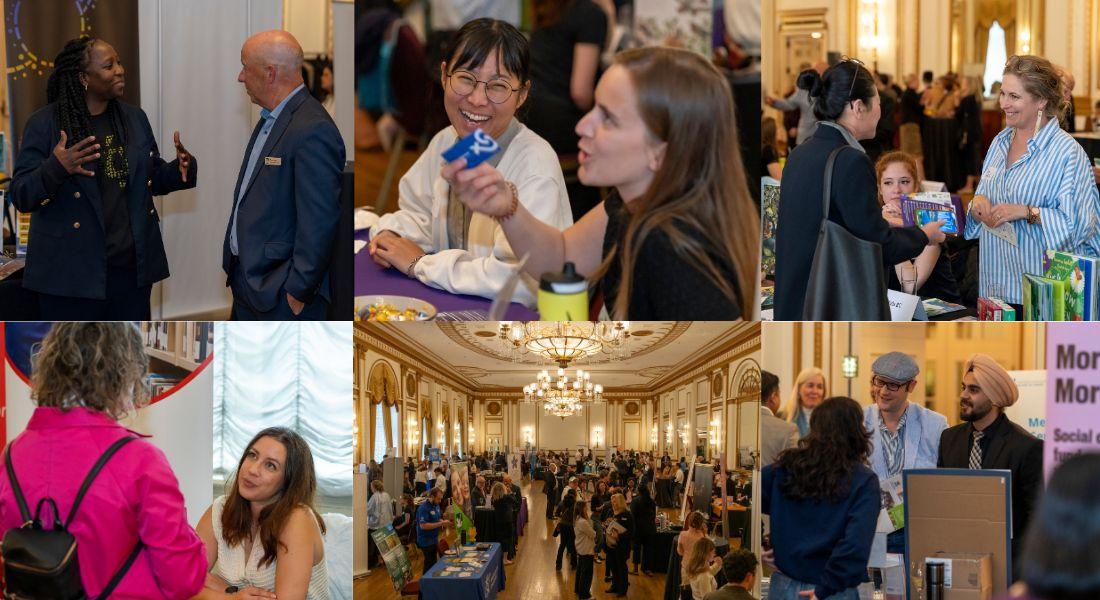
Across the Greater Vancouver region, non-profits play an essential role in strengthening our communities. Often working quietly behind the scenes, these organizations provide critical services, advocate for those who need support, and create opportunities that help people and communities thrive.
Their impact is also economic. The non-profit sector contributes $244 billion in economic activity to Canada annually and accounts for 8.4 per cent of the country’s GDP, Imagine Canada found. The sector employs nearly three million people, with women representing 70 per cent of its workforce.
Last month, the Greater Vancouver Board of Trade was proud to convene nearly 40 local non-profits at our Night of Non-Profit Engagement. The event gave the region’s business community an opportunity to meet the people and organizations behind meaningful community impact.
The breadth of non-profit work was on display throughout the showcase, from environmental groups and youth-serving organizations to groups focused on health, housing, accessibility, and reconciliation.
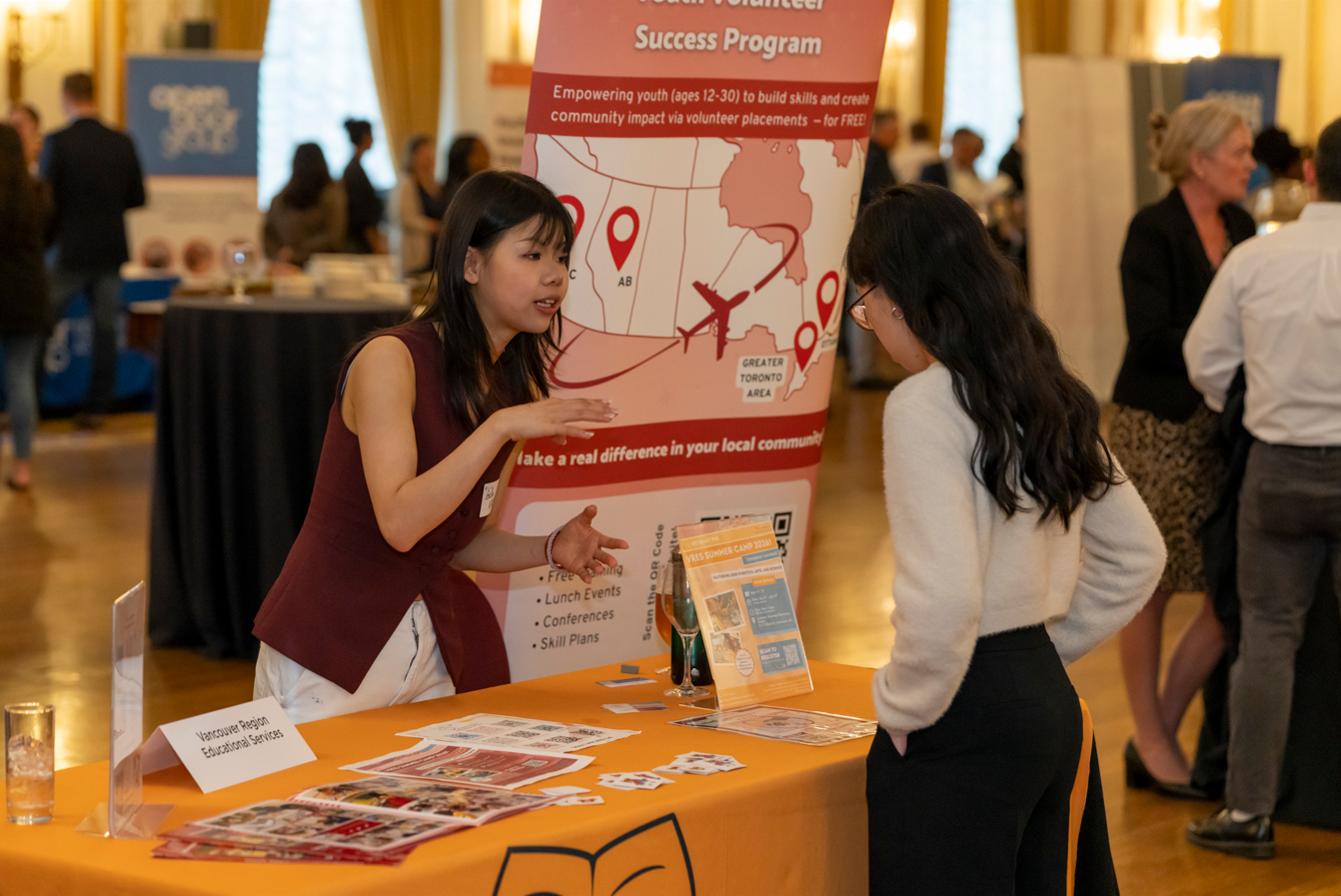
One of the organizations in attendance was Vancouver Region Educational Services, which provides individuals across the region with resources and learning environments that support personal growth.
Bryna McGarrigle, Program Manager at Vancouver Region Educational Services, said the organization’s goal is to make education more accessible.
“We do this through running spring break camps, summer camps, one-off LEGO robotics programs, LEGO arts programs, and now we’re expanding into youth workshops,” she said.
“We’re also doing an AI literacy workshop targeted toward pre-teens, and we’re hoping to expand into seniors’ workshops as well. Wherever the community needs educational services, we are there to provide it.”
McGarrigle said affordability remains one of the biggest barriers for families looking to access early learning opportunities in areas such as robotics, STEAM, and technology.
“Some of these programs can be unattainable for parents, especially working-class parents,” she said. “We really try to focus on making these opportunities available.”
The organization also supports young people through its youth volunteer success program, offering virtual and in-person volunteer opportunities for high school and university students looking to build skills and strengthen their resumes.
McGarrigle emphasized how children are the next generation.
“It’s worth investing in the education of youth, children and vulnerable populations, and supporting the non-profits that do this work,” she said, adding that businesses can help support in a number of ways, including sponsoring events, offering donations, providing products, or sharing space to host programs.
Education is one important part of the region’s non-profit landscape. Other organizations are focused on advocacy, health, equity, and reconciliation, including the First Nations Health Foundation (FNHF).
As the primary philanthropic partner of the First Nations Health Authority, FNHF works to support health and wellness for First Nations people across B.C. by helping close financial and knowledge gaps through partnerships and philanthropy.
“Our vision is that First Nations people in B.C. have self-determined health and wellness to realize their full potential,” said Andrew Procknow, Director of Development at FNHF. “The way that we do that is by bringing people together through philanthropy and partnerships that can bridge both financial and knowledge gaps.”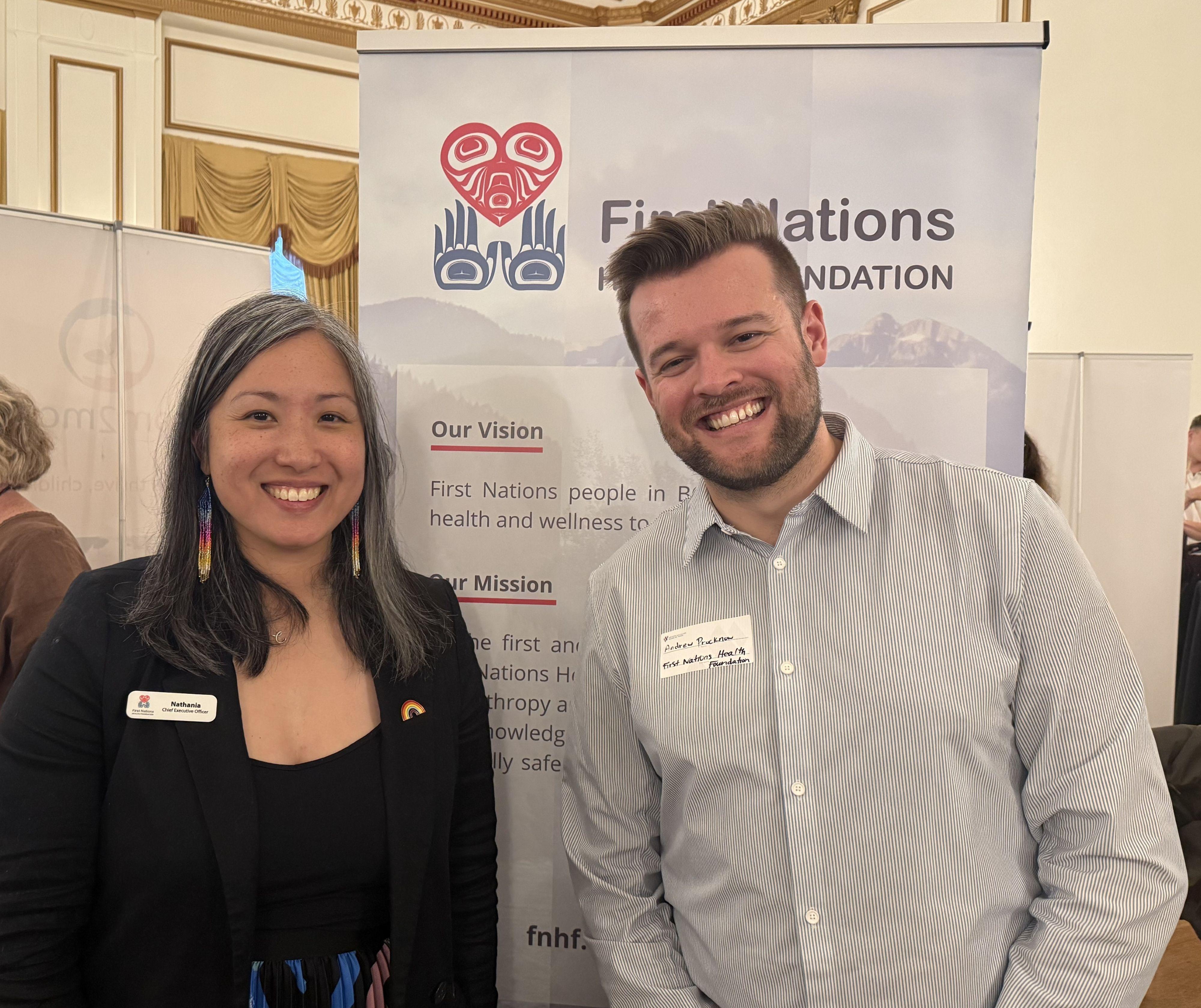
Procknow said the Foundation works with more than 200 diverse First Nations communities across the province, and that each community has distinct needs.
“The needs of one community are not equal to the needs of another,” he said. “Everything that we do is community-led and community-driven.”
Procknow also noted that the Foundation’s work is especially timely as more organizations look for meaningful ways to advance reconciliation.
“We look forward to many more conversations to help boost that work, and to bring cultural safety, humility and meaning to that work,” he said, adding that if anyone wants to connect with the Foundation, they can contact foundation@fnha.ca.
The showcase also highlighted organizations addressing some of the most pressing challenges facing marginalized communities, including housing, affordability, and inclusion. Among them was Home Sharing Support Society BC (HSSSBC), which supports adults with intellectual and developmental disabilities in choosing where they live and thrive.
“We live in a very expensive province, and many of us are struggling with the cost of living and the cost of housing. That is especially challenging for people with disabilities,” said Kiki Yiu, PR, Marketing and Communications Specialist at HSSSBC.
Yiu said many people may not recognize the barriers that people with disabilities continue to face in their communities.
“We are here to see how we can better support people and promote inclusivity,” she said.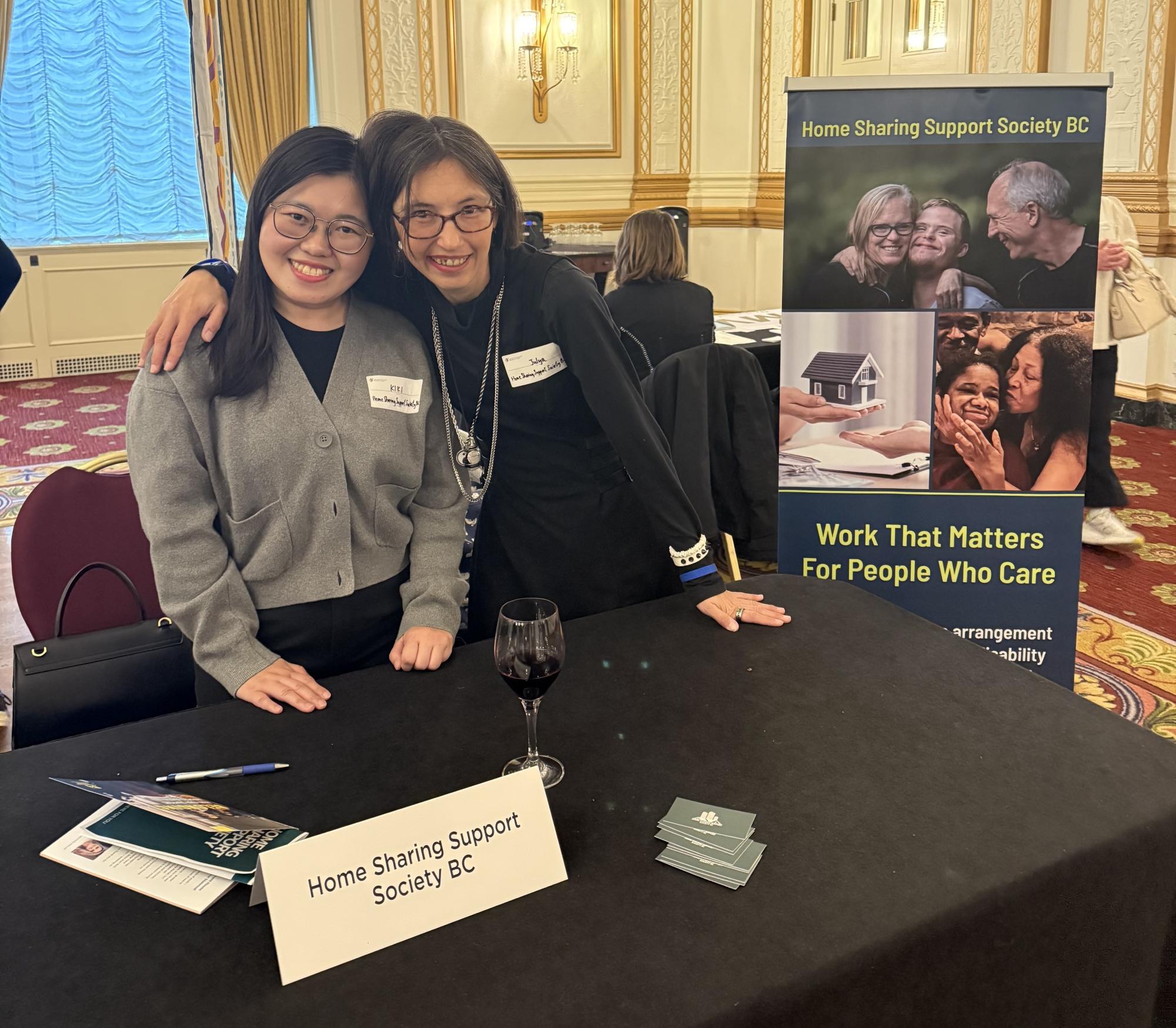
Home sharing is the most in-demand housing option for people with disabilities, Yiu added, and that more home sharing providers are needed to meet the growing demand.
“More and more community living agencies are asking us to see if we can support them with recruitment. While we have many individuals wanting to enter home sharing, we also need more home sharing providers to support individuals.”
For Julya Hetton, Vice Chair of the HSSSBC Board, the work is rooted in a simple but powerful principle.
“Every individual deserves a place, every individual deserves a home, and every person deserves comfort,” she said.
Across Greater Vancouver, non-profits are helping build a stronger, more inclusive, and more resilient region. They support families, advance reconciliation, expand access to education, strengthen health and wellness, address affordability challenges, and create pathways for people to participate more fully in their communities.
Their work improves lives, supports the economy, and helps ensure our region remains a place where people and businesses can thrive.
To learn more about the non-profits featured at our showcase, visit the event page.