The British Columbia-Ottawa Agreement Meets the Moment
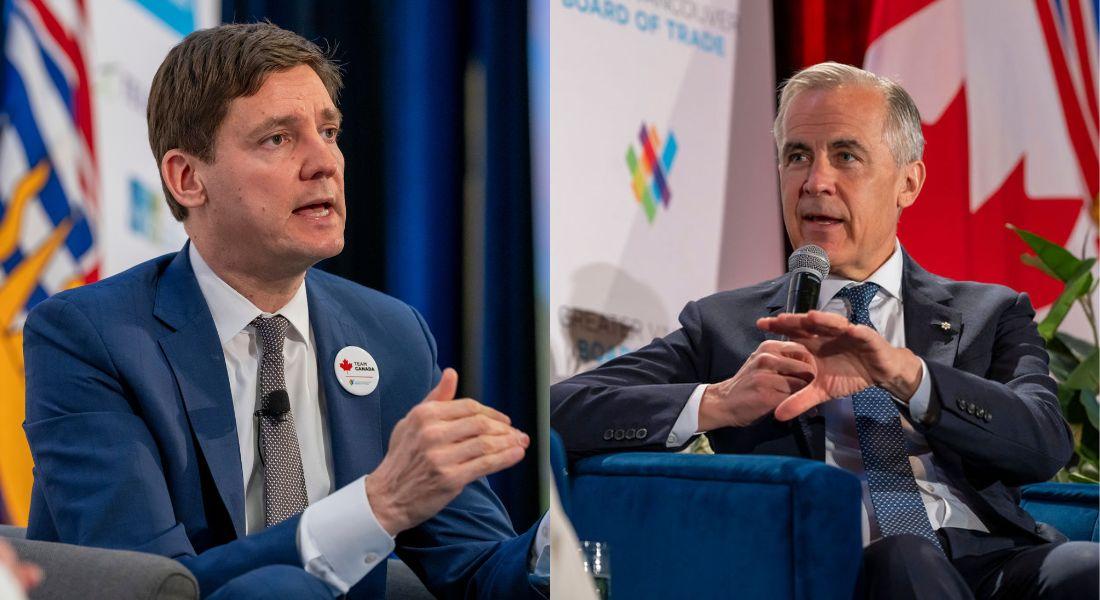
At a time when British Columbia and Canada face significant economic challenges, businesses are looking for greater certainty and a renewed commitment to economic development.
The Canada-British Columbia Cooperative Prosperity Agreement signals a willingness by both governments to work together to move strategically important projects forward and strengthen Canada’s competitiveness. It reaffirms that the path forward for Canada’s economic strength, diversification, and a future-looking economy, runs through British Columbia.
We are encouraged by the agreement’s commitment to accelerated permitting, coordinated project reviews, and clearer timelines for project delivery. The inclusion of a framework for discussion around future pipeline infrastructure also represents an important step toward evaluating major economic opportunities on economic merit, market demand, environmental responsibility, Indigenous partnership, and our national interest.
Key infrastructure and priorities highlighted in the agreement include:
- Expanding capacity at Roberts Bank through a new, coordinated and comprehensive strategy for the terminal and corridor’s capacity.
- Acceleration and support for the current and future phases of the North Coast Transmission Line.
- Affirmation and investment in Red Chris mine expansion.
- Support for LNG expansion.
- Childcare commitments and skilled trades funding.
We welcome the federal commitment to support the George Massey Tunnel Replacement Project. However, we are deeply disappointed with the state of the project. The region could have had a larger replacement crossing completed many years ago. Instead, we are facing a substantially higher and still uncertain price tag, while key environmental approvals and procurement processes remain outstanding. This corridor is vital to the movement of people and goods, and a solution has been needed for a long time.
There are many elements to the agreement that require future work that the GVBOT will be tracking. This includes work on the new pipeline, changes to the industrial carbon pricing system, support for trade-exposed industries, and more.
While there is much work still to be done before a new pipeline can be advanced, we have clarity and pragmatism from our federal and provincial governments to allow the technical and economic deliberations on the pipeline to continue. We commend both governments for taking a practical and solutions-oriented approach to advancing economic priorities. Our business community wants to see less political debate and more action.
The priority now is to move from commitments to construction. Businesses, workers, and communities across British Columbia want to see projects move ahead, investments materialize, and opportunities translated into real economic activity.