What We Heard: Practical Strategies for B.C. Businesses Navigating the Canada-U.S. Trade Dispute
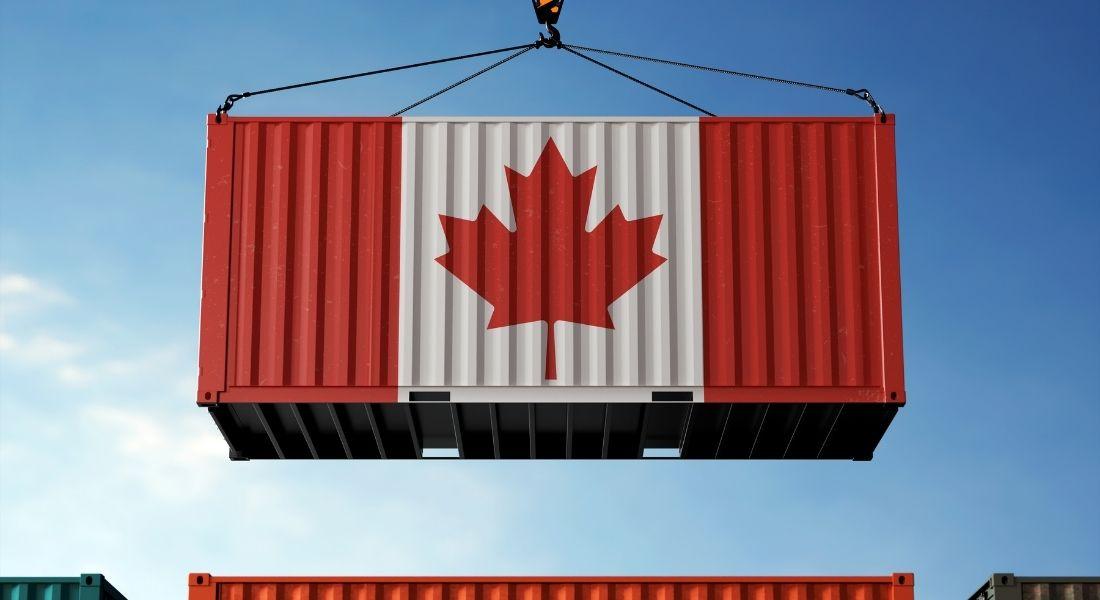
The ongoing Canada-U.S. trade dispute continues to create uncertainty for businesses across British Columbia, affecting everything from supply chains, pricing, and profitability to sourcing decisions and customer relationships.
During the Greater Vancouver Board of Trade and World Trade Centre Vancouver's virtual event, “Surviving the Trade War: A Practical Guide to Tariffs and Business Supports”, experts shared practical advice on how businesses can assess their exposure, strengthen operations, and access available supports.
KEY TAKEAWAYS:
- Businesses involved in furniture and cabinetry, dairy, alcohol, plant and nursery products, lumber, forestry products, building materials, plastics, packaging, and automotive-related supply chains are particularly vulnerable to current tariff measures.
- Plan ahead through scenario analysis and sensitivity testing rather than waiting for tariffs to affect your business.
- Strengthen customs compliance and record-keeping, as enforcement and documentation requirements are increasing.
- Regularly review product classifications and origin documentation to ensure tariff eligibility and compliance.
- Take advantage of government funding, financing, and advisory supports available through PacifiCan, BDC, Trade and Invest BC, Export Navigator, and the Trade Accelerator Program.
Since the onset of the trade dispute with the U.S., both the federal and provincial government have taken measures to help support businesses during this time. As such, we welcomed The Hon. Gregor Robertson, Minister responsible for Pacific Economic Development Canada (PacifiCan), as well as Paul Choi, MLA and B.C.'s Parliamentary Secretary for Trade, to provide remarks.
Minister Robertson acknowledged the pressures many businesses are facing and spoke to recent federal investments, including the $7.5 billion package of new and enhanced measures to protect Canadian workers and businesses. He also noted that PacifiCan recently announced more than $10 million in funding for 12 Lower Mainland businesses and organizations to help them pursue new growth opportunities and adapt to changing market conditions.
Choi emphasized the importance of diversification. "If there is any take away from the past couple of years, it's that we can never again rely on the U.S. as much as we did as a stable trading partner." He pointed to the province's efforts to expand trade relationships globally through its Look West strategy to help businesses access new markets.
A key theme throughout the event was the need for businesses to understand exactly how tariffs affect their products and operations. Speakers pointed to furniture and cabinetry, dairy, alcohol, plant and nursery products, lumber, forestry products, building materials, plastics, packaging, and automotive-related supply chains as areas particularly vulnerable to current tariff measures.
Daniel Kiselbach, Managing Partner at Miller Thomson LLP, encouraged companies to take a close look at their supply chains, product classifications, and tariff eligibility. "My message to folks is to evaluate your situation, look at your supply chain, and determine whether or not there are any mitigation or recovery opportunities."
Kiselbach recommended conducting sensitivity analyses and scenario planning exercises to understand how tariff increases could affect margins, cash flow, customer relationships, and profitability. He also stressed the value of mapping supply chains to identify risks and opportunities, including alternative sourcing arrangements and business structures that may help reduce tariff exposure. As he noted, "Swift adaptation is a competitive advantage."
Customs compliance was another major area of focus. Breanna Leininger, Vice President of U.S. Operations at Pacific Customs Brokers, explained that both Canadian and U.S. customs authorities are increasing enforcement and requesting more detailed information from importers and exporters. "For the U.S., they have shifted and they're actually asking for that information at the time of release. So, whereas before it used to be, ‘Have that available if and when requested.’ Now it's really, ‘Have that before release.’"
Businesses are being asked to provide much more than invoices and bills of lading. Production records, labour records, sourcing information, contracts, and origin documentation are increasingly important. Leininger warned that "record keeping can really be a make or break," encouraging businesses to strengthen documentation practices and regularly review product classifications, particularly when suppliers, production methods, or product components change.
Several speakers stressed that waiting to see whether tariffs apply could leave businesses at a disadvantage.
"My biggest recommendation is don't wait to see if it applies," Leininger said, encouraging businesses to understand where policy attention is focused, evaluate their products against tariff measures early, and seek professional advice before problems arise.
Despite the challenges, she reminded attendees that there are still avenues to sustain and grow your business. “It's just a matter of getting in and seeing what's available out there.”
The second half of the event focused on available supports. David Collier of Trade and Invest BC outlined programs that help businesses diversify beyond the U.S. market, including Trade and Invest BC's international trade representatives, Export Navigator, and the Trade Accelerator Program, which is offered through the World Trade Centre Vancouver. These services help businesses develop export strategies, connect with buyers, and explore new markets around the world.
Matthew Gillis, Regional Director of Business Strategy Implementation at BDC, highlighted financing and advisory programs offered through the organization designed to help businesses manage tariff impacts, improve operational efficiency, and pursue growth opportunities. He noted that many companies can strengthen competitiveness before entering new markets.
“One thing we've observed is in times like this is it's a good time to work on the foundation of your operations before you start looking for new markets to potentially expand into,” he said.
Naina Sloan, President of PacifiCan, outlined enhancements to the Regional Tariff Response Initiative (RTRI) and encouraged businesses to seek guidance if they are unsure where to start. She also highlighted federal efforts to strengthen domestic supply chains through Buy Canadian policies, internal trade improvements, and initiatives that help connect Canadian businesses with procurement opportunities at home.
While the tariff environment remains uncertain, businesses have options. By understanding their exposure, strengthening compliance practices, planning for different scenarios, exploring new markets, and accessing available support programs, B.C. businesses can take proactive steps to build resilience and find greater certainty in an evolving trade landscape.
Want to learn more? Watch the full event recording below or visit our YouTube event playlist.