Moving Beyond Policy: How Everyday Actions Shape Inclusive Workplaces
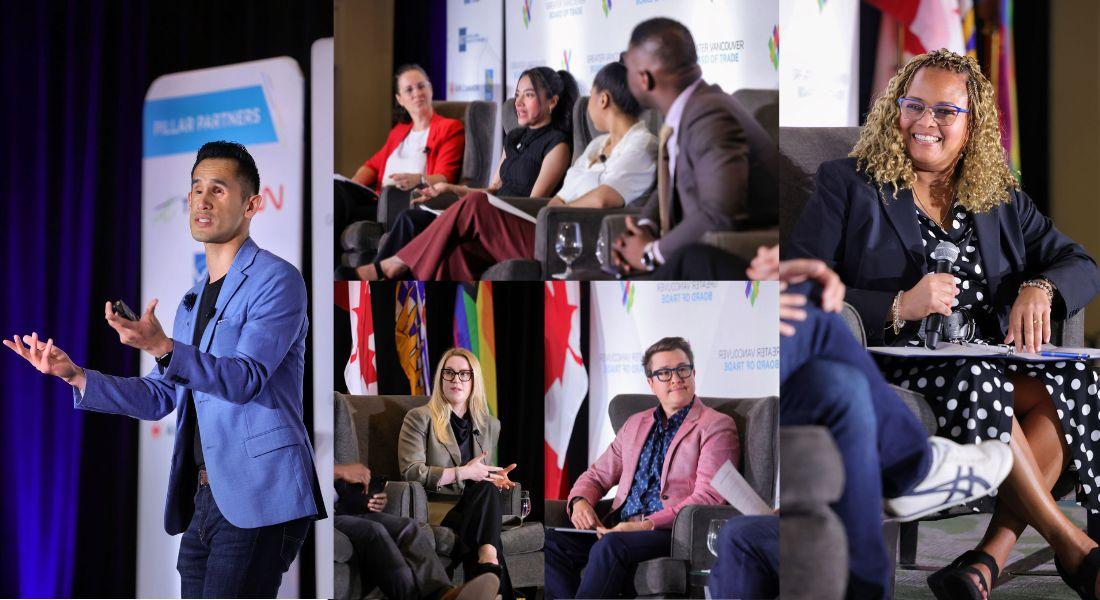
Equity, Diversity, and Inclusion (EDI) aims to create workplaces where people feel seen, heard, and supported. However, despite good intentions, EDI efforts can become confined to policies and guidelines, ultimately losing momentum and failing to adapt as workplaces evolve.
The Greater Vancouver Board of Trade’s Diversity, Equity, and Inclusion council was pleased to present Shared Futures: Designing Inclusive Workplaces for People, Technology and Tomorrow, which brought together business and community leaders for a timely conversation on how organizations can move from intention to action.
Across our keynote presentations and panel discussion, a clear message emerged: EDI is not a one-time initiative or a static policy. It’s an ongoing practice, shaped by everyday actions, workplace culture, and a commitment to continuous learning.
Kai Scott, President & Senior Strategist TransFocus Consulting, opened the conversation by introducing the concept of being a “co-contributor,” offering a shift from the traditional language of allyship toward something more active and shared. While allyship remains meaningful, Scott noted that it can sometimes create an “us versus them” dynamic. Co-contribution, by contrast, recognizes that people are deeply interconnected.
“This co-contributor concept, I think, reveals a deeper reality about our interdependence. We rely on each other. We need each other, and during this time especially, it’s even more critical,” Scott said.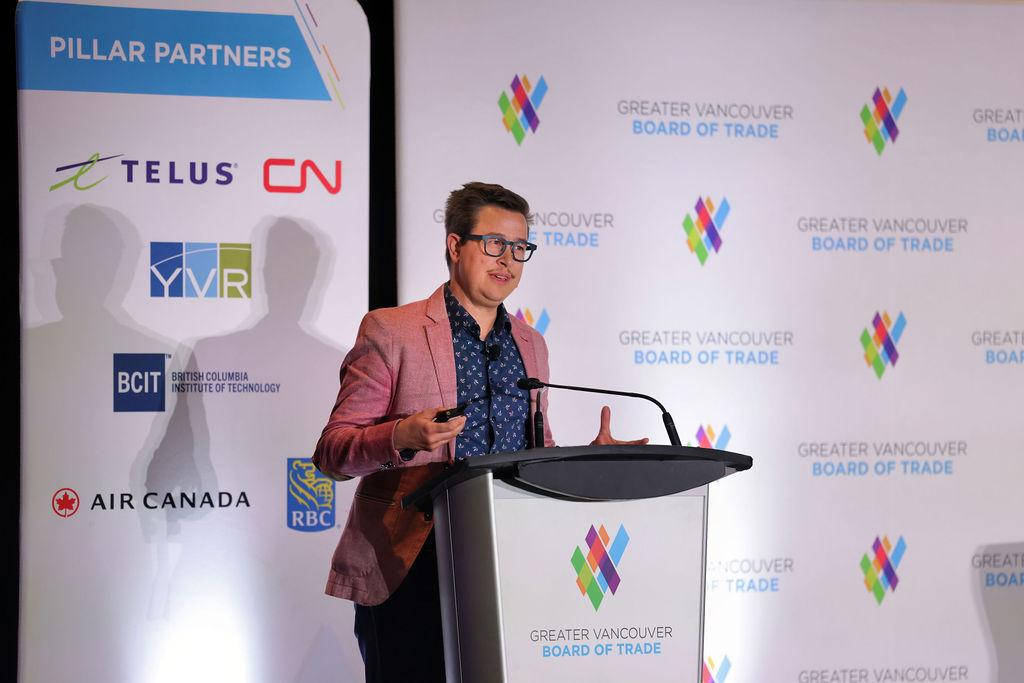
Scott also challenged organizations to see EDI as a benefit to the whole workplace, not something that only supports certain groups of employees. When organizations build cultures where people feel safe, respected, and able to contribute fully, everyone benefits. Stronger inclusion supports better collaboration, stronger leadership, and more resilient teams.
The forum also explored why some organizations hesitate to act. A lack of knowledge, confidence, or fear of saying the wrong thing can prevent people from supporting colleagues effectively. But speakers encouraged attendees not to let the fear of mistakes become a barrier to progress.
“You’re not going to know everything and that’s okay,” Scott said. “You’ll learn along the way, and by doing so you’ll actually deepen connections with others, with yourself and with your organization.”
A panel discussion on preparing talent for tomorrow, moderated by Kristin Wilkes, Vice President, BC, Long View Systems, was another focus of the forum. Panellists Olatunji Awelenje, Leaders of Tomorrow (LOT) mentee, Alicia Kent, Human Resources Business Partner for the BC Region at RBC, Megan Jones, Partner, National Workforce Transformation Leader at KPMG Canada, and Laura Sanchez LOT Alum, Leaders of Tomorrow reflected on the importance of empathy in day-to-day leadership. 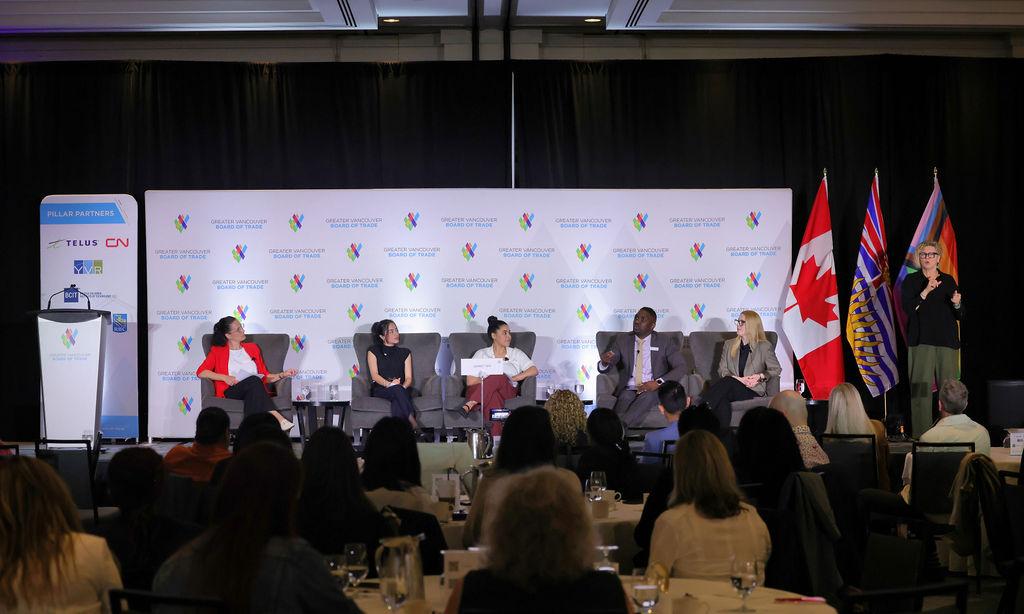
Each person brings their own lived experience to work, and inclusive organizations are those that make space to understand those experiences. This includes looking beyond titles, roles, and assumptions to better understand who people are and what they need to succeed.
Reverse mentorship emerged as one practical way to support that learning. Speakers described how leaders can gain important insight by learning from colleagues with different experiences, backgrounds, and perspectives. These relationships are most powerful when they are rooted not only in career advice or formalities, but in genuine curiosity about the person behind the role.
The forum’s closing presentation from Jay Kiew, Innovation and Change Navigation Strategist, brought the conversation back to the everyday moments where inclusion is most often felt. Kiew shared a personal story about meeting a colleague for coffee who asked whether he would prefer they sit on his left or right side. As someone who is half blind, Kiew described the simple question as one of the strongest moments of feeling seen.
“This wasn’t in the policy,” Kiew said. “EDI doesn’t live in a policy. It doesn’t live in the macro. It lives in the micro. EDI actually lives in the moment.” 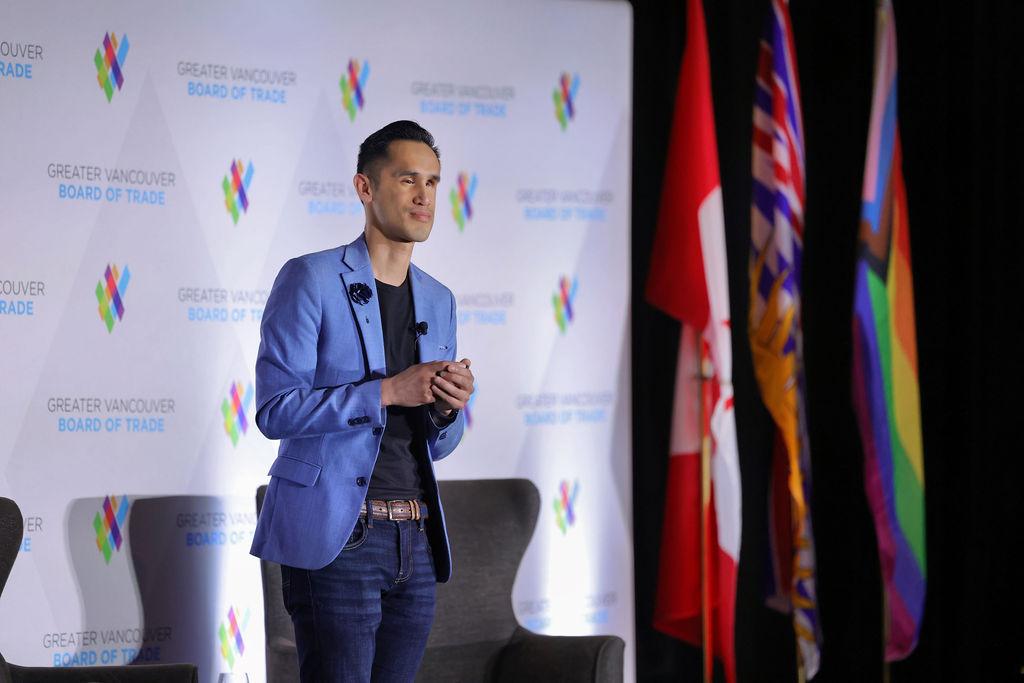
That message captured one of the forum’s most important takeaways. Inclusion is built in small interactions, like asking what someone needs, noticing whether a space is accessible, making room for different perspectives in a meeting, using more inclusive language, and responding with care when someone shares their experience.
Kiew encouraged attendees to think about how EDI can become part of regular workplace practice rather than something treated as a separate silo. Like any meaningful habit, inclusion is strengthened through repetition, intention, and the small actions people take every day.
“Rather than making it a silo of something that we do, how do we make it something that we just practice?” Kiew said.
For organizations that feel overwhelmed by the scope of EDI, the forum offered a practical starting point. Pay attention to what is happening around you. Listen to employees. Learn how people are experiencing the workplace. Identify the small changes that can make a meaningful difference. From there, organizations can build confidence, strengthen trust, and move from performative commitments to active participation.
GVBOT’s Diversity and Inclusion Leadership Council, an evolution of the Women's Leadership Council program, is an inclusive program that champions and advocates for leadership that best reflects the diversity of the Greater Vancouver region. The DLC focuses on addressing issues of diversity, equity, and inclusion to encourage allyship and enhance business innovation. The DLC is committed to investing in the participation and promotion of underrepresented groups, while supporting the business community to achieve their diversity and inclusion goals. Learn moreat boardoftrade.com/programs.